
Affiliate Marketing Niche Research Guide


ATTENTION: Want to Learn Affiliate Marketing from Successful Affiliates?
Join this FREE community where successful marketers share their secrets!
Learn directly from highly successful affiliate marketers
Access free, actionable training content regularly
Connect with an active community of over 5,000 members
Network with multiple six-figure earning affiliates
Get your questions answered by real experts
JOIN FREE NOW!
ATTENTION: Want to Learn Affiliate Marketing from Successful Affiliates?
Understanding the core elements of effective research in affiliate marketing is essential for anyone looking to succeed in this competitive field. Whether you’re a seasoned marketer or just starting, knowing how to identify the right niche can significantly affect your earnings and growth potential. Here are some key components to consider when conducting your Affiliate Marketing Niche Research Guide.
Identifying Your Passion and Knowledge
When searching for a niche, start with your own interests. A niche that aligns with your passion not only makes the work enjoyable but also allows you to bring genuine insight to your audience. Here are some steps to follow:
- List your hobbies and interests.
- Consider your expertise and skills.
- Reflect on your experiences that could provide value to others.
Focusing on what you love can lead to cultivating an authentic brand voice and engaging with an audience that shares your interests.
Market Demand Analysis
Next, assess if there’s a market demand for your chosen niche. You can use various tools and platforms to gauge interest levels:
- Google Trends – Explore how search interest evolves over time for specific topics.
- Quora – Check popular questions related to your niche to understand what your audience is curious about.
- Keyword Tool – Analyze keyword suggestions that can help you target relevant content.
By identifying trends and interests, you can focus on topics that have a strong audience base, thus improving your chances of success.
Evaluate Competition
Analyzing your competition is crucial to establish your position within the market. Consider the following:
- Identify Competitors: Look for affiliate sites in your niche. Make a list of the top five to ten.
- Content Quality: Review the type and quality of content they produce. Are they providing value? How can you do better?
- Engagement Levels: Assess their social media following and engagement metrics to understand their audience interaction.
Tools like Ahrefs or Moz can assist you in evaluating SEO performance and domain authority of your competitors.
Monetization Potential
Consider how you plan to monetize your niche. Your goal is to choose an area where there are viable affiliate program options. Here’s how:
- Check Affiliate Networks: Platforms like ClickBank, Amazon Associates, and ShareASale have a wide range of products you can promote.
- Product Demand: Assess the products’ popularity within your niche. The higher the demand, the better your chances for conversion.
- Commission Rates: Calculate potential earnings from affiliate programs to ensure they can sustain your business model.
Target Audience Identification
You must know who you’re speaking to. Identifying your target audience allows you to customize your content to meet their needs. Employ the following strategies:
- Demographics: Define age, gender, location, and interests of your target audience.
- Behavioral Patterns: Understand their online habits, such as preferred platforms or content styles.
- Feedback Gathering: Utilize surveys and polls to gain insights directly from your potential audience.
Continuous Learning and Adjustments
The realm of affiliate marketing is constantly evolving. As you establish your niche, remain adaptable by consistently tracking your performance metrics. Tools like Google Analytics can offer insights into how well your strategies are working and where to adjust for maximum effectiveness.
Always be on the lookout for new trends, emerging competitors, or shifts in consumer behavior. This commitment to continuous learning will keep you relevant and allow you to refine your strategies to suit your audience better. Embarking on affiliate marketing requires thorough research and dedication. By focusing on your passion, analyzing the market, understanding competition, evaluating monetization avenues, knowing your audience, and committing to continuous improvement, you can pave the way for a successful Affiliate Marketing Niche Research Guide journey.
Identifying Profitable Niches: Tools and Techniques
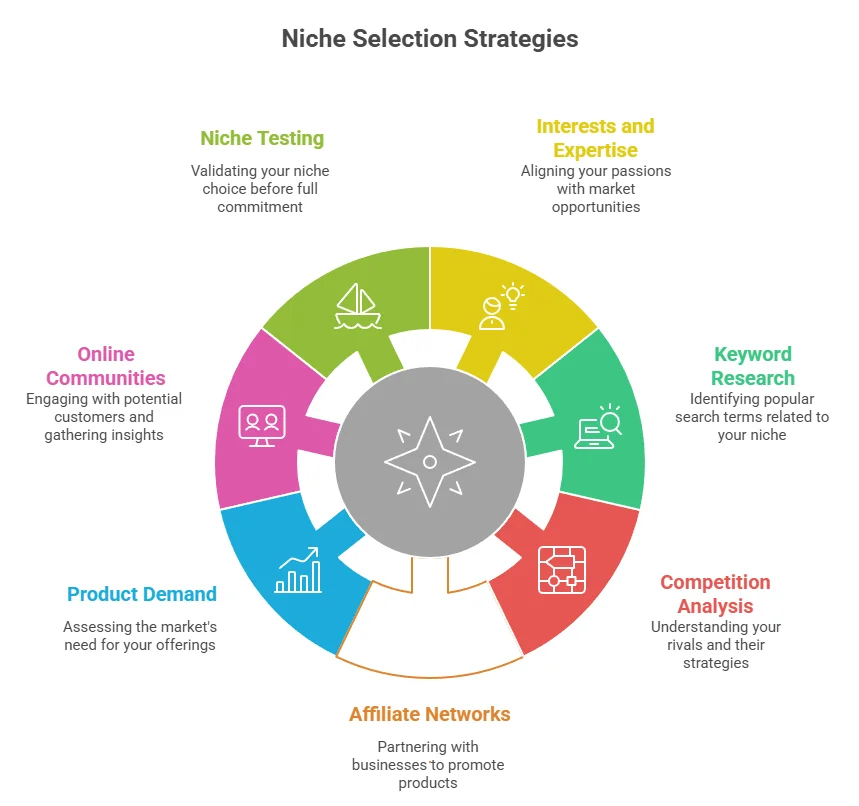
Identifying the right niche is crucial for success in affiliate marketing. A well-chosen niche can set the stage for generating consistent income. Here’s a guide on the tools and techniques you can leverage to discover profitable niches.
Understanding Your Interests and Expertise
Your journey into niche marketing should begin with introspection. Consider your passions, hobbies, and areas of expertise. Choosing a niche that resonates with you will make your affiliate marketing efforts more enjoyable and sustainable. Here are some questions to help you identify potential niches:
- What topics do you frequently read about?
- What problems do you often solve for yourself or others?
- What skills do you possess that can offer value to others?
Using Keyword Research Tools
Keywords are the backbone of niche research. They help you understand what potential customers are searching for online. Here are some effective keyword research tools:
- Google Trends – This tool provides insight into trending search queries, helping you gauge interest in various topics over time.
- Ahrefs Keywords Explorer – Ahrefs offers comprehensive keyword analysis, including search volume and keyword difficulty, essential for identifying profitable niches.
- Ubersuggest – This user-friendly tool can help you find keyword ideas and analyze competitors in your chosen niche.
Analyzing Competition
Evaluating the competition is vital for niche selection. A market may seem profitable, but if it’s overly saturated, it might be challenging to succeed. Here’s how to analyze competition:
- Search for your potential niche on Google and analyze the first page of results. Look for the number of ads and the authority of sites ranking there.
- Use tools like SimilarWeb to gauge website traffic and bounce rates of competitors in your desired niche.
- Check social media platforms to see the engagement level of competitors. More engagement often indicates a profitable niche.
Exploring Affiliate Networks
Many affiliate networks can guide you toward profitable niches. Joining networks exposes you to diverse products and insights on what sells. Consider exploring:
- ClickBank – Specializes in digital products and offers a vast selection in various niches.
- Amazon Associates – Great for beginners, this network provides a wide range of products to promote.
- ShareASale – This platform offers numerous partnerships across a variety of niches.
Product Demand and Trends
Understanding the market demand for specific products is paramount. Tools like Google Trends and Keyword Tool allow you to assess product trends over time. You can also utilize YouTube to see which videos gain traction within your niche.
Engaging with Online Communities
Joining forums and communities related to your niche can provide invaluable insights. By interacting with potential customers, you’ll understand their needs and preferences. Some platforms worth checking out include:
- Reddit – Look for subreddits related to your niche where users discuss their interests and problems.
- Quora – This question-and-answer platform can reveal common questions people have about your niche.
Testing Your Niche Selection
Once you’ve identified some potential niches, it’s time to test them. Create a simple blog or social media page and start producing content related to your niche. Monitor engagement and traffic to better understand which niches resonate with your audience. Identifying a profitable niche is a strategic process that combines personal interests, market demand, and competitive analysis. By utilizing various tools and techniques, you’ll be better equipped to select a niche that can lead to Affiliate Marketing Niche Research Guide success.
Analyzing Competitors in Your Chosen Affiliate Marketing Niche
When diving into the world of affiliate marketing, understanding your competitors is crucial. Analyzing competitors who are already thriving in your niche can provide insights that can lead to your own success. This process involves several key steps, focused on gathering data, assessing strengths and weaknesses, and adapting strategies based on what you find.
First, start by identifying your top competitors. Search for relevant keywords related to your Affiliate Marketing Niche Research Guide. Pay attention to the websites that appear on the first page of search results. These are usually the ones that have good SEO practices and are profiting from your niche. Some tools you can use for this include SimilarWeb and Ahrefs. Both tools can help you uncover traffic sources, engagement metrics, and additional useful data.
Next, analyze their website structure and content. Look at how they organize their pages, the navigation menu, and the overall design. Consider these questions:
- What type of content are they producing? (e.g., blogs, videos, guides)
- How frequently do they update their content?
- Are they using clear calls to action?
- Do they offer resources like e-books or webinars to capture leads?
This analysis can help you understand what works well in your niche and how you can improve your own website for better engagement. Furthermore, observe the types of products they promote. Check if they focus on a specific type of product or if they have a broad range of offerings. This will help you determine if you want to specialize or diversify within your niche.
Another essential factor is to evaluate their social media presence. Determine which platforms they are most active on and how they engage with their audience. Look for:
- The number of followers and engagement (likes, comments, shares)
- Types of content being shared (graphics, quotes, videos)
- How they handle comments and questions from their audience
Understanding their social media strategies can offer insight into effective audience engagement techniques. It might reveal potential gaps in their strategy that you can exploit.
After assessing content and social strategies, it’s critical to examine their backlinks. A strong backlink profile usually translates to better SEO and higher rankings. Tools like Moz or SEMrush can assist in uncovering where their backlinks come from. Check these aspects:
- Which websites are linking to them?
- Are there any high authority sites?
- What type of content earns them these backlinks?
This information not only gives you an idea of their credibility but also presents opportunities to reach out for collaboration or guest blogging, which can enhance your own link profile.
Another critical step is to analyze their customer reviews and feedback. Websites like Trustpilot or even their social media pages can provide valuable insights into how customers perceive their products or services. Focus on:
- Common praises and criticisms
- Trends in customer sentiment
- What customers wish they had that competitors aren’t offering
This feedback can reveal unmet needs in the market, providing you with the chance to tailor your offerings to better serve your audience. Do not forget to monitor changes in your competitors’ strategies. Setting up Google Alerts for your competitors can notify you when they make notable announcements or changes, allowing you to stay informed and adapt swiftly. Engaging in competitor analysis is an ongoing process, ensuring you remain competitive and opportunistic within your chosen niche. By focusing on detailed analysis and continuous learning, you’ll position yourself for success in the Affiliate Marketing Niche Research Guide landscape.
Trends and Opportunities in Affiliate Marketing for 2026

As we move further into 2023, the affiliate marketing landscape continues to shift and evolve. Understanding current trends and recognizing new opportunities is crucial for success in this competitive field. Each year brings unique chances for marketers, and this year is no exception. Let’s explore some of the standout trends and opportunities that define affiliate marketing in 2023.
The Rise of Niche Markets
In 2023, focusing on niche markets provides a unique opportunity for affiliate marketers to establish authority and connect deeply with their audience. Specializing in a defined niche allows affiliates to create tailored content that resonates with specific groups of consumers.
- Health and Wellness: Products related to mental health, fitness, and organic living continue to flourish.
- Eco-Friendly Products: As sustainability becomes increasingly important, eco-friendly brands are gaining traction.
- Remote Work Solutions: Tools and resources for remote work are still in high demand.
Increased Focus on Video Content
Video content is proving to be an influential format in affiliate marketing strategies. The rise of platforms like TikTok and the continued popularity of YouTube mean that affiliates need to harness video to engage users effectively. Marketers can showcase products through tutorials, reviews, and lifestyle vlogs to drive conversions.
Personalization and Customer Experience
Marketers who prioritize the customer experience are seeing more loyalty and engagement. Personalization helps create a bond with users, making them feel valued. Using data analytics to understand customer behaviors allows affiliates to tailor their offerings and communications.
- Personalized Recommendations: Suggest products based on previous purchases and browsing behavior.
- Email Campaigns: Utilize personalized messages to enhance engagement and drive click-through rates.
The Growth of Social Commerce
Social media platforms are now more than just places to connect with friends; they are evolving into powerful shopping channels. With features that allow users to purchase directly on platforms like Instagram and Facebook, affiliates can capitalize on social commerce.
- Shoppable Posts: Create engaging content that encourages users to shop directly from posts.
- Influencer Partnerships: Collaborate with influencers to leverage their audience for increased visibility.
Emerging Affiliate Tools and Technologies
Technology continues to change the way affiliate marketers operate, with various tools enhancing efficiency and effectiveness. Monitoring software and analytics platforms allow marketers to track their campaigns’ success, enabling better decision-making.
| Tool | Purpose |
|---|---|
| Google Analytics | Track website traffic and user behavior. |
| Ahrefs | Analyze SEO performance and find new keywords. |
| Canva | Create eye-catching graphics for content. |
Emerging Platforms for Affiliate Marketing
While traditional platforms like Amazon Associates still thrive, exploring emerging alternatives is essential. New platforms that cater to specific niches or demographics can create fresh opportunities.
- Shopify Affiliate Program: This program offers commissions for merchants and affiliates alike, especially in the e-commerce sector.
- Impact Radius: This platform is gaining attention for its robust tracking and reporting systems.
Focus on Trust and Transparency
Building trust is more important than ever. Consumers are increasingly wary of online purchasing and require transparency from affiliate marketers. Disclosing affiliate relationships and prioritizing authentic recommendations helps foster trust and drive engagement. To dive deeper into Affiliate Marketing Niche Research Guide trends and strategies, consider visiting resources like Affiliate Influencer and Think with Google. By owning these vital trends and opportunities, you can navigate 2023’s affiliate marketing landscape more effectively.
Crafting a Strategy for Success in Your Affiliate Marketing Niche
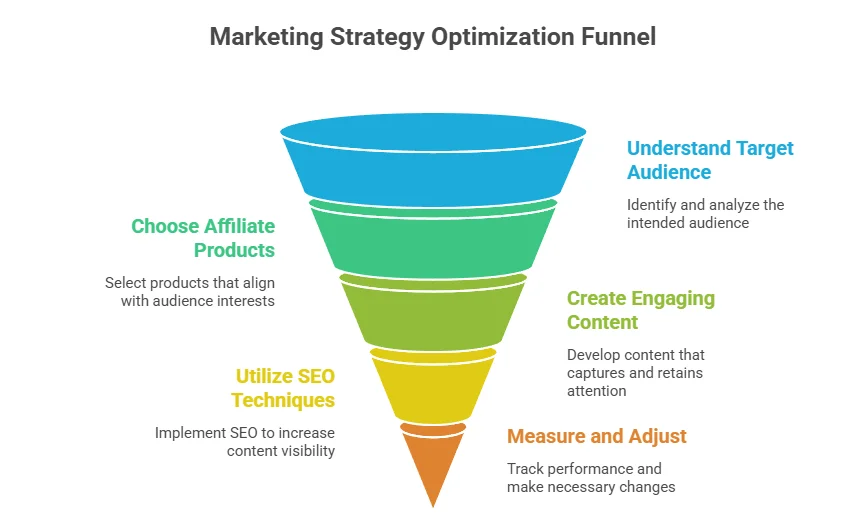
Affiliate marketing offers a powerful way to earn income online, but success hinges on your ability to choose the right niche. Crafting a clear strategy is vital for navigating this competitive landscape. Understanding your target audience, selecting the right products, and implementing effective promotional techniques are key components to achieving long-term success in your Affiliate Marketing Niche Research Guide.
Understanding Your Target Audience
To build a winning strategy, you need to know who you are marketing to. Identifying your target audience helps you tailor your content and promotions effectively. Here are steps to understand your audience:
- Demographics: Determine age, gender, location, and income levels of your potential customers.
- Interests: Explore what hobbies and interests your audience pursues. Tools like Facebook Audience Insights can be beneficial.
- Pain Points: Identify the challenges and problems your audience faces that your products can solve.
Choosing the Right Affiliate Products
Selecting the right products to promote is crucial in your strategy. Your success largely depends on the relevance and appeal of these products to your audience. Here are some tips to guide your selection process:
- Research Market Trends: Use tools like Google Trends to find what’s popular within your chosen niche.
- Check Affiliate Networks: Browse platforms like ClickBank or Impact to discover products with high commission rates.
- Quality Over Quantity: Focus on promoting a few high-quality products rather than a wide range of mediocre ones.
Creating Engaging Content
Your content strategy plays a huge role in attracting and retaining visitors. Here are some methods to ensure your content is both engaging and valuable:
- Blog Posts: Write informative articles that address the needs and interests of your audience.
- Video Content: Utilize platforms like YouTube to create visual content that showcases the products you are promoting.
- Social Media Posts: Share valuable insights, tips, and product reviews on platforms like Instagram and Twitter.
Utilizing SEO Techniques
Optimizing your content for search engines is a critical part of your strategy. By implementing SEO best practices, your content can attract more organic traffic. Key elements include:
- Keyword Research: Use tools like Ahrefs Keyword Generator to uncover high-ranking keywords related to your niche.
- On-Page SEO: Ensure that your web pages contain meta titles, descriptions, and structured headings that are keyword-rich.
- Backlink Building: Generate backlinks to your site through guest blogging and forming partnerships with reputable websites. Use Moz for analytics and tracking.
Measuring Success and Making Adjustments
A successful Affiliate Marketing Niche Research Guide strategy isn’t static; it requires ongoing evaluation. Here’s how you can measure your success:
- Track Traffic and Engagement: Use tools like Google Analytics to monitor site traffic and user behavior.
- Evaluate Conversion Rates: Determine how many visitors complete your desired actions, such as purchases or sign-ups.
- Gather Feedback: Utilize surveys or customer feedback to adjust your strategy according to what your audience prefers.
Conclusion
Success in affiliate marketing begins with thorough and thoughtful Affiliate Marketing Niche Research Guide. By understanding the key elements of effective affiliate marketing, you position yourself to discover lucrative opportunities that align with your interests and expertise. Identifying profitable niches is essential, and using reliable tools and techniques will streamline your search process. Moreover, analyzing competitors within your chosen niche not only highlights their strengths and weaknesses but also sheds light on the strategies that resonate with your target audience.
Keeping an eye on trends and opportunities in affiliate marketing for 2023 is crucial, as the digital landscape is continually evolving. Staying updated ensures you remain relevant and can adjust your approach to fit market demands. As you craft your strategy for success in your Affiliate Marketing Niche Research Guide, make sure to integrate insights gained from your research and competitor analysis. Create valuable content that will engage your audience and encourage conversions. Remember that the journey is ongoing, and flexibility in your strategies will serve you well.
By diligently following these steps—researching effectively, leveraging the right tools, understanding your competition, and staying ahead of industry trends—you pave the way for sustained success and growth in affiliate marketing. Now is the time to take action, dive deep into your niche, and turn your affiliate marketing dreams into reality.