
Affiliate Marketing Business Model


ATTENTION: Want to Learn Affiliate Marketing from Successful Affiliates?
Affiliate marketing is a popular business model that allows individuals and companies to earn money by promoting other people’s products or services. In this model, marketers, also known as affiliates, earn a commission for every sale or action generated through their marketing efforts. It’s an effective way to monetize content, establish online presence, and tap into diverse markets without investing in product creation.
How the Affiliate Marketing Business Model Works
The core of the Affiliate Marketing Business Model revolves around four main components:
- Merchant: The merchant, or product creator, is the company that offers a product or service. They are looking for affiliates to help promote their offerings and can be an established brand or a small startup.
- Affiliate: The affiliate is the individual or entity that promotes the merchant’s products. Affiliates use various channels such as blogs, social media, and email to reach their audience and drive sales.
- Consumer: The consumer is the end-user who makes a purchase or completes the desired action as a result of the affiliate’s marketing efforts.
- Network: The affiliate network connects merchants and affiliates. They provide tracking technology and handle payment processes, ensuring that affiliates receive their fair commissions.
Key Components of Affiliate Marketing
To effectively operate within the Affiliate Marketing Business Model, it’s vital to understand its key components:
- Tracking Technology: This technology tracks the sales and actions generated by each affiliate. It ensures that affiliates are credited for their contributions.
- Payment Structures: Affiliates typically earn through various payment models:
- Pay Per Sale (PPS): Affiliates earn a commission when consumers make a purchase.
- Pay Per Click (PPC): Affiliates get paid for every click they direct to the merchant’s site, regardless of a sale.
- Pay Per Lead (PPL): Affiliates earn a commission for each lead they deliver, usually by having users sign up or fill in information.
- Content Creation: Affiliates need to create engaging content that resonates with their audience. This can include blog posts, social media updates, and videos that showcase products or provide reviews.
The Benefits of Affiliate Marketing
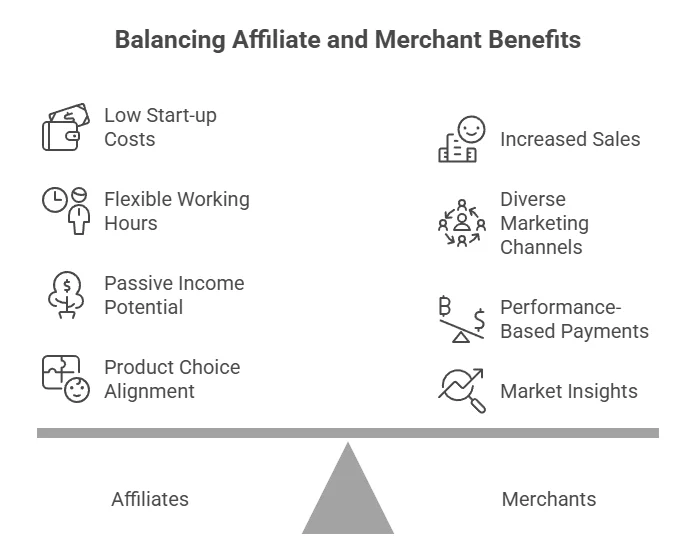
The Affiliate Marketing Business Model offers several advantages for both affiliates and merchants:
| Benefits for Affiliates | Benefits for Merchants |
|---|---|
| Low start-up costs and minimal financial risk. | Increased sales and brand awareness through affiliate promotion. |
| Flexible working hours and the ability to work from anywhere. | Access to diverse marketing channels to reach potential customers. |
| The potential for passive income generation. | Performance-based payments reduce advertising costs. |
| Ability to choose products that align with personal interests. | Market insights through affiliate tracking data and reports. |
Getting Started in Affiliate Marketing
If you’re thinking about venturing into affiliate marketing, here are some essential steps to help you begin:
- Choose a Niche: Focus on a specific area that you are passionate about and have knowledge in. This makes it easier to connect with your audience.
- Join Affiliate Programs: Sign up for affiliate programs that match your chosen niche. Popular platforms include Affiliate Programs and ClickBank.
- Create Quality Content: Develop engaging and informative content that showcases the products or services you are promoting.
- Drive Traffic: Utilize SEO, social media, and email marketing to increase visibility and attract potential customers to your content.
- Track Your Performance: Keep an eye on your analytics to see what’s working and make adjustments as needed.
With a solid understanding of the Affiliate Marketing Business Model, you can create a thriving, sustainable online business. By leveraging the right strategies and focusing on valuable content, you can build a successful affiliate marketing brand that resonates with your target audience.
Strategies to Choose the Right Affiliate Products for Your Audience
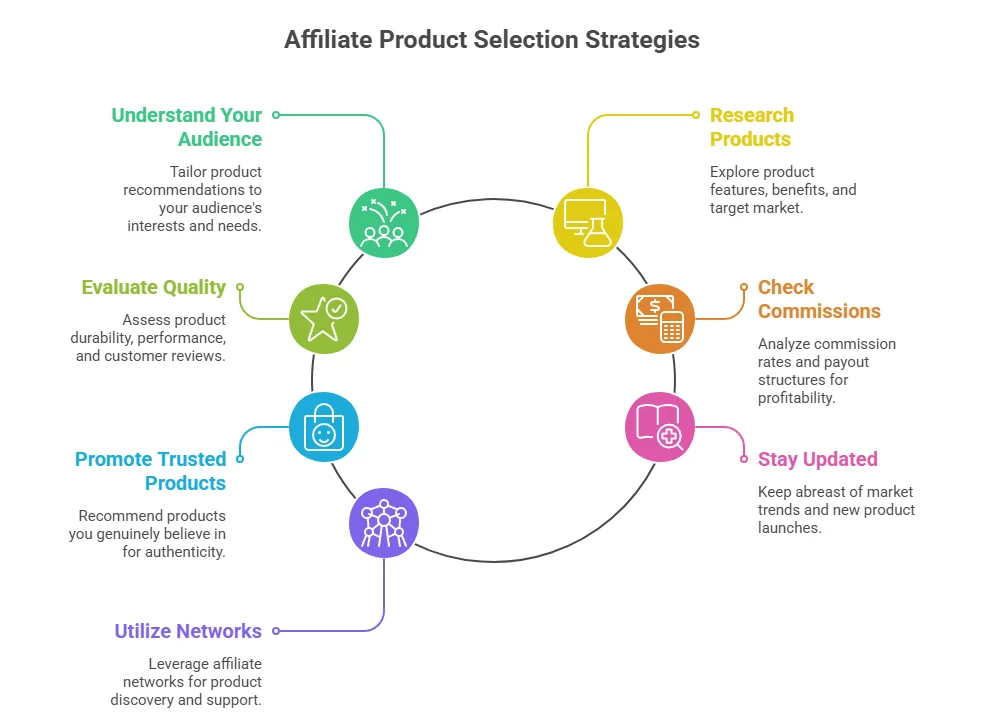
Choosing the right affiliate products is crucial for the success of your Affiliate Marketing Business Model. It not only impacts your earnings but also affects your credibility and connection with your audience. By understanding your audience and finding the right products, you can optimize your efforts and achieve better results. Here are some strategies to help you select the best affiliate products for your audience.
Understand Your Audience
Your first step in choosing affiliate products is to know your audience’s needs and preferences. Consider conducting surveys or interviews to gather information about what your audience values. You can also analyze your website analytics to determine which content engages your audience the most.
Key Questions to Consider:
- What challenges does your audience face?
- What solutions are they looking for?
- What interests them the most?
By answering these questions, you can tailor your product selection to match their expectations and needs.
Research Products and Their Relevance
After identifying your audience, it’s time to research affiliate products that align with their interests. Look for products that are not only popular but also relevant to your niche. A great resource for this is ClickBank, which features a wide range of affiliate products across various categories.
Select Products with High Demand: Utilizing tools such as Google Trends can help you identify products that are trending. Analyze search volumes and seasonality to understand the potential demand. Make a list of products that hold significance for your audience.
Evaluate Product Quality
Quality matters when it comes to affiliate marketing. Promoting poor-quality products can harm your credibility. Research the products by reading reviews, checking ratings, and evaluating the vendors’ reputation. Some factors to consider include:
- Customer reviews and testimonials
- Return policies and guarantees
- Customer service responsiveness
Products with positive reviews and outstanding service will lead to higher conversion rates.
Check Commission Rates and Payout Structures
Understanding the financial aspect of affiliate products is essential. Different programs offer varying commission rates and structures. Look for products that provide a fair commission percentage that aligns with your effort and can lead to sustainable income.
Consider the Payout Model: Affiliates can benefit from different payout types:
| Payout Type | Description |
|---|---|
| Pay Per Sale (PPS) | You earn a commission when a sale is made via your affiliate link. |
| Pay Per Click (PPC) | You earn a commission based on the number of clicks generated. |
| Pay Per Lead (PPL) | You earn a commission when a lead provides their information. |
Choose a payout model that suits your marketing style and audience behavior.
Promote Products You Trust
It’s vital to promote products that you genuinely trust and believe in. When affiliates endorse a product based on personal experience, it increases authenticity and can lead to higher conversion rates. Share your thoughts, experiences, and any results you’ve achieved with the product to build trust with your audience.
Stay Updated with Market Trends
The market landscape is always changing. Stay updated on trends in your niche by subscribing to industry-related newsletters and following key influencers. By keeping your finger on the pulse of the market, you can adapt your strategy and choose products that resonate with evolving consumer interests.
Utilize Affiliate Networks
Joining established affiliate networks like Awin or ShareASale can provide access to a vast array of high-quality affiliate products. These platforms often vet their merchants, helping you discover reputable products that align with your audience’s needs. By following these strategies, you can effectively select affiliate products that cater to your audience’s interests and maximize your affiliate marketing success. Remember, your efforts to understand and serve your audience will pay off in the long run.
The Role of Content Creation in Successful Affiliate Marketing
In the world of online business, the fusion of content creation and affiliate marketing can pave the way for success. Engaging, valuable content is not just a supplement; it is the backbone of any successful Affiliate Marketing Business Model. Let’s explore the critical role that content plays and how it can influence your affiliate marketing efforts.
When you venture into affiliate marketing, you’re essentially promoting other people’s products or services to earn a commission on sales made through your referral. While the product is important, your ability to communicate its value through content significantly impacts your results. This is where content creation becomes essential.
One of the primary purposes of content in affiliate marketing is to build trust and establish credibility with your audience. When viewers find your content engaging and informative, they are more likely to trust your recommendations. Here’s how you can leverage content to enhance trust:
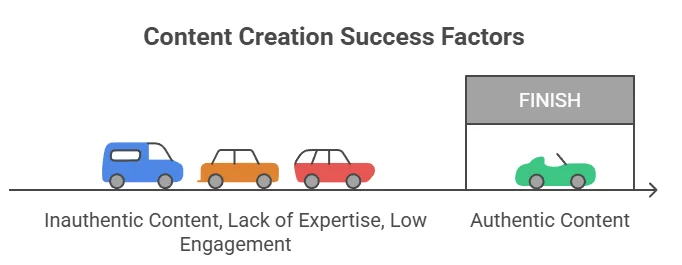
- Authenticity: Share personal experiences with the products you promote. Authentic content resonates better.
- Expertise: Demonstrate knowledge about the industry and the products. Providing in-depth analysis can build your reputation.
- Engagement: Encourage interactions by asking for comments and by responding to questions. This connection fosters a community around your content.
Moreover, different types of content can serve diverse purposes in your affiliate marketing strategy:
- Blog Posts: Detailed and informative articles can provide value, showcase your authority, and position affiliate links in context.
- Videos: Visual content can explain complex products effectively and engages viewers, driving higher conversion rates.
- Social Media Posts: Short, engaging content can create buzz and direct traffic to your affiliate offers.
Understanding your target audience is crucial in content creation for affiliate marketing. By knowing their preferences, needs, and pain points, you create content that directly addresses them. This not only helps you connect with your audience but also improves SEO performance and engagement.
Keyword optimization is another critical component of successful content creation. By carefully selecting and using relevant keywords, you can enhance your visibility on search engines, making it easier for potential customers to find your offers. Be sure to incorporate long-tail keywords, which tend to have lower competition and higher conversion rates. A great resource to help with this is Ahrefs, which offers tools to analyze keywords effectively.
Structures such as lists, tables, and infographics can enhance content readability. For instance, a comparison table can showcase various features of affiliate products effectively:
| Product | Price | Features |
|---|---|---|
| Product A | $29.99 | High Quality, Durable, Lightweight |
| Product B | $19.99 | Affordable, Compact, Easy to Use |
| Product C | $39.99 | Premium, Multi-Functional, Warranty Included |
This table format allows potential customers to easily compare your affiliate products, helping them make informed decisions that may lead to conversions. Remember, simplicity is key in presenting information.
Furthermore, it’s essential to consistently produce fresh content. Regular updates keep your audience engaged and can also improve your search engine ranking. Consider setting up a content calendar to plan and track your content creation efforts effectively.
To boost your content’s reach, consider collaborating with other content creators or influencers in your niche. This can expose your affiliate offers to a broader audience and enhance credibility. Platforms like Fiverr can connect you with freelancers that specialize in various content types, enhancing your marketing approach.
Analytics tools also play a significant role in refining your content strategies. Monitoring metrics such as click-through rates (CTRs), engagement, and conversion rates helps you understand what works best. Use platforms like Google Analytics to track these insights and adjust your strategies accordingly.
The integration of effective content creation into your Affiliate Marketing Business Model is indispensable. Through engaging, trustworthy, and optimized content, you can cultivate a loyal audience and maximize your commission opportunities. Embrace content as your secret weapon in the competitive world of affiliate marketing.
Building Trust with Your Audience in Affiliate Marketing
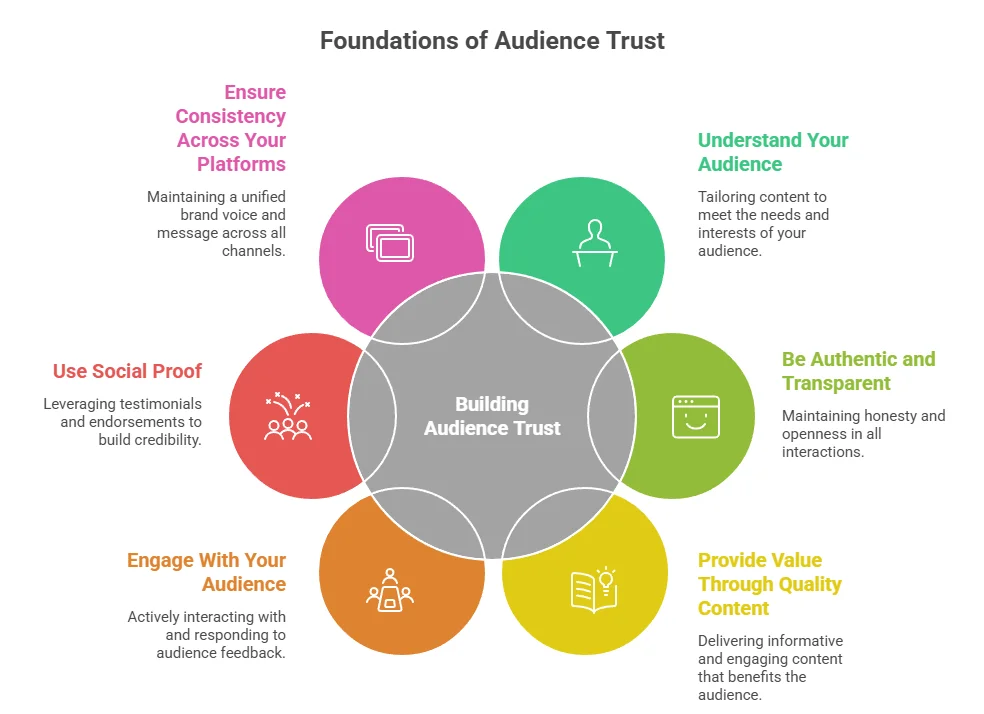
In the world of affiliate marketing, trust is your greatest asset. This trust is what transforms casual visitors into dedicated followers, and eventually, into loyal customers. Building this trust requires consistent effort and a clear understanding of your audience’s needs. Here are some effective strategies to help you foster trust with your audience in the affiliate marketing space.
Understand Your Audience
Before you can build trust, you need to understand who your audience is. Conduct surveys, analyze analytics, and engage with them directly to learn what they value. As you gather information, keep these points in mind:
- Demographics: Age, gender, and location
- Interests: Hobbies and passions
- Pain Points: Challenges they face
By understanding who they are, you can tailor your content to resonate with them on a deeper level.
Be Authentic and Transparent
Authenticity is key in affiliate marketing. When your audience senses honesty in your voice, they are more likely to believe your recommendations. Always disclose your affiliate relationships openly. This transparency not only complies with legal guidelines but also shows your audience that you respect them and their trust.
Ways to enhance authenticity include:
- Sharing personal experiences related to the products you promote.
- Using relatable language that matches your audience’s tone.
- Being honest about your earnings from affiliate sales.
Provide Value Through Quality Content
Creating high-quality content is essential. Your audience should find your blog or website valuable enough to return and engage with it regularly. Consider these strategies to enhance the value of your content:
- Informational Blogs: Write articles that educate your audience. Providing tips, guides, and how-tos builds credibility.
- Product Reviews: Offer detailed reviews of products, including their pros and cons. This helps your audience make informed decisions.
- Video Content: Use videos to deliver engaging content. Videos can showcase product usage and real-life applications.
By consistently providing value, you create a relationship built on trust and expertise.
Engage With Your Audience
Interaction is crucial in building trust. Respond to comments, emails, and social media messages promptly. This shows your audience that you care about their opinions and are willing to engage with them directly. Ask for feedback and encourage discussion around the products you promote. The more engaged your audience feels, the more likely they are to trust you and your recommendations.
Use Social Proof
Social proof is a powerful tool in affiliate marketing. When potential customers see others endorsing a product, they are more likely to follow suit. Incorporate testimonials and case studies from verified users to demonstrate the effectiveness of the products you promote. Here’s how you can leverage social proof:
- Display user testimonials on your site, highlighting positive experiences.
- Showcase real customer reviews and ratings.
- Utilize case studies to present how products have helped real people achieve their goals.
Remember, the more your audience sees genuine interactions and endorsements, the more confidence they will have in you and your recommendations.
Ensure Consistency Across Your Platforms
Consistency in messaging and branding is essential in affiliate marketing. Ensure that your blog, social media channels, and email newsletters convey a unified voice and image. This approach reassures your audience that you are reliable and professional. To maintain consistency:
- Use a specific tone and style in all your communications.
- Stick to a regular posting schedule to keep your audience engaged.
- Align your visual elements, such as logos and color schemes, across platforms.
By fostering trust with your audience through these strategic efforts, you set the foundation for sustained success in your Affiliate Marketing Business Model. When your audience trusts you, they are more likely to invest in the products you endorse, ultimately driving your income and growing your affiliate marketing venture.
For more insights on affiliate marketing, consider resources from Digital Marketing Institute and Neil Patel.
Measuring Success: Important Metrics for Affiliate Marketing Campaigns
When running an affiliate marketing campaign, measuring success is crucial. Understanding important metrics allows marketers to optimize their efforts and drive better results. Below are key metrics that help gauge the performance of your affiliate marketing campaigns.
Click-Through Rate (CTR)
Click-Through Rate is a vital metric in affiliate marketing. It measures how many people clicked on your affiliate links compared to the total number of people who viewed your content. A higher CTR indicates that your audience finds your content engaging and relevant.
- Formula: CTR = (Total Clicks / Total Impressions) x 100
- Why It Matters: A higher CTR means more potential sales and shows that your marketing strategies resonate with your audience.
Conversion Rate
The conversion rate is perhaps the most critical metric in an Affiliate Marketing Business Model. This metric tells you how many visitors completed a desired action, such as making a purchase or signing up for a newsletter.
- Formula: Conversion Rate = (Conversions / Total Visitors) x 100
- Importance: A high conversion rate indicates effective advertising that successfully directs potential customers toward purchasing decisions.
Average Order Value (AOV)
Average Order Value is essential for understanding how much revenue you generate per transaction. This metric helps you determine which products or services yield the highest returns.
- Formula: AOV = Total Revenue / Total Orders
- Significance: A higher AOV means increased earnings without needing more traffic, making it a vital metric for profit maximization.
Return on Investment (ROI)
Calculating ROI is essential for assessing the profitability of your affiliate campaigns. This metric reveals how much profit is generated for each dollar spent on marketing efforts.
- Formula: ROI = (Net Profit / Cost of Investment) x 100
- Relevance: A positive ROI indicates successful campaigns, while a negative ROI highlights areas needing improvement.
Lifetime Value of a Customer (LTV)
Understanding the Lifetime Value of a Customer helps you gauge how much a customer is worth over time. This metric informs your marketing strategies by predicting future revenue.
- Formula: LTV = Average Purchase Value x Purchase Frequency x Customer Lifespan
- Why It’s Important: Knowing LTV helps in allocating budgets effectively towards acquiring new customers.
Customer Acquisition Cost (CAC)
Customer Acquisition Cost highlights how much it costs to acquire a new customer. This metric is essential for determining the efficiency of your marketing spend.
- Formula: CAC = Total Marketing Expenses / Total New Customers Acquired
- Importance: Keep this number low relative to LTV to ensure profitability in your campaigns.
Attrition Rate
Keeping track of customer attrition or churn rate is critical. It helps to understand how many customers stop engaging with your affiliate offers over time.
- Formula: Attrition Rate = (Customers Lost / Total Customers at the Start) x 100
- Why You Should Monitor It: A high attrition rate may indicate dissatisfaction with products or services.
By focusing on these critical metrics, you can gain valuable insights into your affiliate marketing campaigns. Analyzing these figures not only helps you optimize your strategy but also sets the stage for long-term success in your Affiliate Marketing Business Model.
For more insights on affiliate marketing metrics, consider visiting these valuable resources:
Conclusion
To thrive in the Affiliate Marketing Business Model, it’s essential to grasp its core elements and the benefits it offers. By understanding the intricacies of this model, you can unlock new revenue streams and connect with products that resonate with your audience. Selecting the right affiliate products involves deep knowledge of your audience’s needs and preferences. This not only enhances engagement but also increases the likelihood of conversion.
Content creation plays a pivotal role in your affiliate marketing efforts. High-quality, informative content builds a bridge between your audience and the products you promote. It allows you to showcase the value of those products while establishing your authority in the niche. To foster a strong connection, it is imperative to build trust with your audience. Transparency about your affiliate partnerships and providing genuine recommendations can cement a loyal following, leading to long-term success.
Measuring success in your affiliate marketing campaigns goes beyond just tracking clicks and sales. Important metrics, such as conversion rates and return on investment, offer insights into what’s working and what needs improvement. By analyzing these metrics, you can refine your strategies, ensuring continuous growth and better alignment with your goals.
Mastering the Affiliate Marketing Business Model requires a blend of strategic product selection, engaging content, and trust-building practices. By honing these skills and staying adaptable to changes in the market, you can create a sustainable and profitable affiliate marketing journey. Your success story waits just around the corner, beckoning you to take the first step today.