Affiliate Marketing on Facebook


ATTENTION: Want to Learn Affiliate Marketing from Successful Affiliates?
Affiliate Marketing on Facebook can be an incredibly powerful tool for generating revenue and building your brand. With over 2.9 billion monthly active users, Facebook provides an unmatched opportunity for marketers to reach a wide audience. However, effectively leveraging this platform requires a strategic approach. Here are some tips and strategies to help you maximize your affiliate marketing efforts on Facebook.
Choose the Right Affiliate Products
Your success in affiliate marketing largely depends on selecting the right products to promote. Consider the following factors:
- Relevance: The products should align with your audience’s interests. This ensures that your promotions resonate with your followers.
- Quality: Promote products that are high quality and have positive reviews. This builds trust with your audience.
- Commission Rate: Look for programs that offer competitive commissions. A higher rate means more income per sale.
Optimize Your Facebook Profile
Your Facebook profile or page should reflect your brand clearly. Ensure that your profile is appealing and trustworthy. Include:
- Clear Profile and Cover images: Use images that represent your brand well.
- Compelling Bio: Write a short bio that conveys who you are and what you do. Don’t forget to include your affiliate links if appropriate.
- Call-to-Action: Encourage visitors to engage with your content or check out your affiliate links.
Create Engaging Content
Content is king in affiliate marketing. Here’s how to create engaging content for Facebook:
- Use Visuals: Posts with images or videos perform significantly better than text-only posts. Use engaging visuals that showcase the products.
- Storytelling: Share personal stories or experiences relating to the product. This helps create a connection with your audience.
- Educational Posts: Create how-to guides or tips that incorporate your affiliate products seamlessly.
Utilize Facebook Ads
Facebook Ads can help expand your reach beyond your followers. Here are key points to consider:
- Targeting: Use Facebook’s robust targeting options to reach specific demographics or interests, ensuring your ads reach likely buyers.
- Budgeting: Start with a small budget to test different ads. Monitor their performance and scale the successful ones.
- Ad Formats: Explore various ad formats, including carousel ads that showcase multiple products in one ad.
Engage with Your Audience
Building a connection with your audience can significantly boost your affiliate marketing success. Consider these strategies:
- Respond to Comments: Always interact with your audience by replying to comments on your posts.
- Ask Questions: Encourage engagement by asking questions related to the products or topics you’re discussing.
- Create Polls: Use Facebook’s poll feature to get feedback while encouraging followers to respond.
Analyze Your Performance
To improve your affiliate marketing efforts, you need to have a clear understanding of what’s working. Analyze your performance using the following:
- Facebook Insights: Use this tool to track post reach, engagement, and overall performance on your page.
- Affiliate Dashboard: Most affiliate programs provide performance metrics. Analyze which products convert best for you.
Stay Updated on Policies
Facebook has specific policies regarding affiliate marketing. Always keep abreast of these guidelines to avoid penalties. Regularly checking the Facebook Community Standards page can help ensure compliance.
Tapping into Affiliate Marketing on Facebook requires thoughtful planning and execution. Remember to engage your audience, create valuable content, and optimize your promotional strategies. Utilizing these tips can enhance your affiliate marketing efforts, driving sales and growing your income effectively.
Understanding Facebook’s Algorithm for Affiliate Success
In the world of affiliate marketing, Facebook stands out as a significant platform due to its vast user base and engagement potential. To leverage this platform for affiliate success, understanding Facebook’s algorithm is crucial. The algorithm plays a key role in determining what content users see in their feeds, impacting your visibility and engagement levels. Here’s how you can gain insights into maximizing your Affiliate Marketing on Facebook.
How Facebook’s Algorithm Works
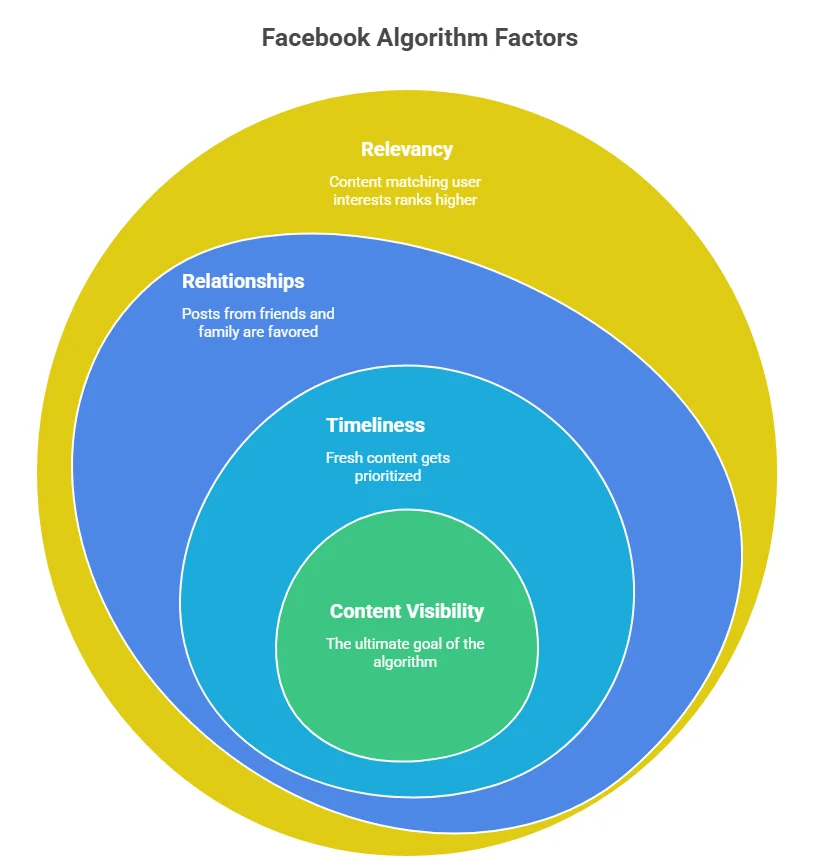
Facebook’s algorithm is designed to prioritize content that sparks engagement and resonates with users. It evaluates various factors to decide which posts to show. Below are key elements that influence the algorithm:
- Engagement: Posts that receive likes, comments, and shares are favored in the algorithm.
- Relevancy: Content that matches user interests tends to rank higher in priorities.
- Relationships: Posts from users’ friends and family often gain more visibility.
- Timeliness: Fresh content is prioritized, making posting during peak times essential.
Creating Engaging Content
To succeed in Affiliate Marketing on Facebook, you need to create content that captivates your audience. This involves:
- Storytelling: Share stories about how products have impacted customers’ lives rather than just promoting the products.
- Visual Elements: Use eye-catching images or videos to draw attention to your posts.
- Call to Action: Encourage interaction by asking questions or prompting users to share their thoughts.
The Importance of Visuals
Visual content tends to perform better than text-only posts. According to studies, posts with images enjoy 94% more engagement than those without. Video content, particularly live videos, can significantly enhance interaction rates, making them ideal for affiliate products. Utilize tools like Canva to create appealing graphics.
Optimizing Your Post Timing
When you post can make a difference in engagement and reach. Testing various times can help you find optimal posting schedules. Generally, the best times to post on Facebook are:
| Day | Best Times |
|---|---|
| Monday | 1 PM – 3 PM |
| Wednesday | 11 AM – 1 PM |
| Friday | 1 PM – 3 PM |
Experimenting with times and analyzing engagement metrics can help pinpoint when your audience is most active.
Utilizing Facebook Ads for Affiliate Marketing
Facebook Ads can boost your reach and target specific audiences effectively. When creating ads, focus on:
- Target Demographics: Customize the audience based on interests, location, and behaviors.
- An Engaging Offer: Highlight the benefits and share any discounts to entice potential buyers.
- A/B Testing: Test different ad formats, visuals, and copy to discover what resonates most with your audience.
Analyzing Performance
Use Facebook Insights to monitor your content’s performance. This tool can reveal which posts are effective and why. Understanding metrics like engagement rates and reach allows you to adjust your strategy accordingly.
Building a Community
To amplify your affiliate marketing efforts, nurturing a community around your niche is vital. Engage with your followers regularly, create polls, or host contests to build rapport. The stronger your community, the higher your potential for conversions.
These strategies into your approach to Affiliate Marketing on Facebook can significantly enhance your success. As Facebook continues to evolve, staying informed about changes to its algorithm will allow you to adapt and thrive. For more tips and insights on affiliate marketing, visit Digital Marketer and Ahrefs.
Creating Engaging Content for Effective Affiliate Promotion
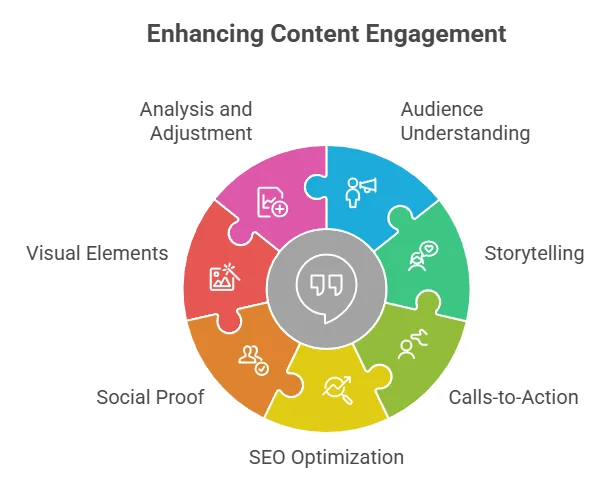
Creating engaging content is vital for anyone looking to effectively promote affiliate products. You want your audience to not only read your content but also feel compelled to take action. Here are strategic tips to keep in mind while crafting your promotional materials.
Understand Your Audience
The first step in creating outstanding content is to understand who your audience is. Knowing your target demographic helps you tailor your message to their needs and interests.
- Identify their pain points: What problems can your affiliate products solve for them?
- Determine their preferences: What types of content do they enjoy? This could be blog posts, videos, or infographics.
- Consider their online behavior: What platforms do they frequent? This understanding allows you to promote your affiliate links where they are most active.
Crafting Compelling Stories
People connect with stories, not just products. When you weave personal narratives into your content, you make it relatable. Here’s how to do that:
- Share personal experiences: Talk about how a product helped you change your routine or solve a specific issue.
- Use testimonials: Include customer feedback or success stories to build credibility.
- Create a relatable scenario: Describe a day in the life of someone using your product.
Create Clear Calls-to-Action
Your readers must know what to do next. A well-placed call-to-action (CTA) informs them how to access the affiliate product you’re promoting.
- Be direct: Use phrases like “Click here to learn more” or “Get your discount today!”
- Offer value: Clearly explain the benefits of taking action. For example, mention a limited-time discount or free shipping.
Optimize for SEO
Search engine optimization (SEO) plays a crucial role in getting your content seen. Here are a few key strategies:
- Use relevant keywords: Integrate keywords such as “Affiliate Marketing on Facebook” organically throughout your content.
- Meta descriptions: Craft catchy meta descriptions that encourage clicks from search results.
- Alt tags: Add descriptive alt tags for images, ensuring they are relevant to your content.
Leverage Social Proof
People tend to trust products that others have positively reviewed or shared. Here’s how to include social proof in your affiliate marketing:
- Showcase reviews: Embed or link to reviews from satisfied customers.
- Highlight ratings: If the product has received awards, mention these accolades.
- Use social media: Promote user-generated content where real customers share their experiences with the product.
Utilize Visual Elements
Visual content can capture attention and improve engagement rates. Incorporate the following:
- Images: Use high-quality images that showcase the product in use.
- Infographics: Create infographics that simplify the information and highlight benefits.
- Videos: Consider creating product reviews or tutorial videos to demonstrate the product effectively.
Analyze and Adjust
Always track the performance of your content. Use tools like Google Analytics to determine what works and what doesn’t. Adjust your strategies based on your findings. For example, if you notice that a specific type of post generates more clicks, you might want to create more similar content. Stay flexible and ready to adapt your approach.
Additional Resources
For more in-depth insight into affiliate marketing, consider exploring the following websites:
- Ordinal – Strategies and insights for affiliate marketers.
- Affiliate Guard Dog – Reviews and ratings to help you choose the best affiliate programs.
- WPBeginner – Tips for bloggers on utilizing affiliate marketing effectively.
Engaging content is the cornerstone of effective affiliate promotion. By understanding your audience, crafting compelling stories, and utilizing SEO, you can significantly increase your chances for success in affiliate marketing.
Building a Targeted Audience for Your Affiliate Links on Facebook
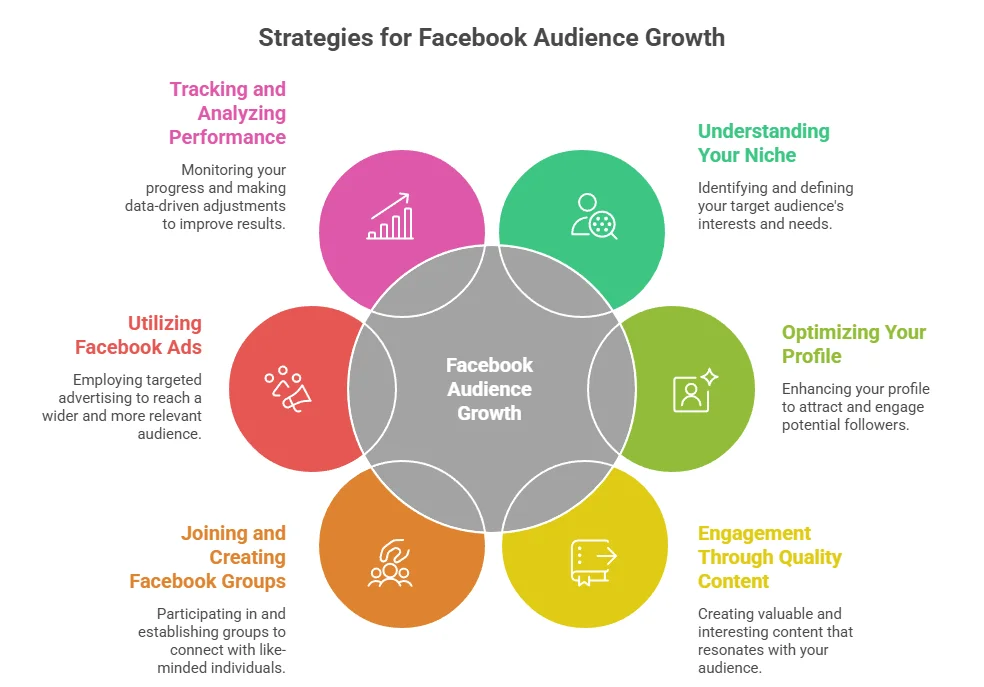
Having a targeted audience is crucial for successful Affiliate Marketing on Facebook. This social media platform provides an unparalleled opportunity to reach a diverse user base. However, to truly benefit from Affiliate Marketing on Facebook, you must engage with a specific audience that is interested in the products or services you promote. Here’s how to build that targeted audience effectively.
Understanding Your Niche
Before diving into Facebook marketing, define your niche. Understanding your niche helps you identify potential customers who share similar interests. Consider the following steps:
- Research your target demographic: age, location, gender, and interests.
- Analyze competitors to see who they target and what strategies they use.
- Create buyer personas to visualize your ideal customers.
Optimizing Your Profile
Your Facebook profile should reflect your brand and niche clearly. To achieve this:
- Use a professional profile picture and cover photo that resonates with your brand.
- Craft a compelling bio that describes your mission and what you offer.
- Link to your website or affiliate landing page directly in your profile.
Engagement Through Quality Content
Once your profile represents your niche well, focus on creating content that attracts your targeted audience. Here’s how:
- Post engaging images or videos that relate to your affiliate products.
- Share valuable information, tips, or how-to guides related to your niche.
- Ask questions or run polls to encourage interaction.
Utilizing Facebook Stories is another great way to keep your audience engaged. Stories allow you to share content that disappears after 24 hours, making it feel more personal and immediate.
Joining and Creating Facebook Groups
Groups can be a goldmine for affiliate marketing. By joining existing groups or creating your own, you can connect with people interested in your niche.
- Look for groups that align with your niche and actively participate in discussions.
- Provide value by answering questions and offering helpful advice.
- Create your group where you can collect followers and directly share your affiliate links more freely.
Utilizing Facebook Ads
Facebook Ads can be a powerful tool for reaching your targeted audience. By creating ads specifically tailored to fit demographic and interest criteria, your affiliate marketing efforts can gain traction. Here’s how to make the most of Facebook Ads:
- Use custom audience targeting to reach people similar to your existing followers.
- A/B test various ad formats to see which ones resonate most with your audience.
- Incorporate strong visuals and compelling calls-to-action in your ads.
Tracking and Analyzing Performance
Once you’ve implemented your strategies, tracking performance is pivotal for ongoing success. Utilize tools to analyze your engagement and click-through rates:
- Use Facebook Insights to monitor which content performs best.
- Track clicks on your affiliate links using tools like Bitly or Google Analytics.
- Adapt your strategies based on performance metrics to improve engagement.
Establishing a targeted audience on Facebook for your affiliate marketing efforts takes time and patience, but with the right tactics, your efforts will pay off. By consistently providing value and engaging meaningfully with your audience, you not only build trust, but you also increase your potential earnings. For more insights on effective affiliate marketing strategies, check out ShoutMeLoud and Affiliate Learning. These resources provide deeper dives into maximizing your affiliate marketing potential on Facebook and beyond.
Analyzing Performance Metrics for Affiliate Marketing Campaigns on Facebook
When it comes to Affiliate Marketing on Facebook, analyzing performance metrics is essential for success. Without proper data analysis, you might spend your budget without knowing what’s effective. This guide helps you understand key metrics to track, so you can enhance your campaigns and maximize profits.
Key Performance Metrics to Monitor
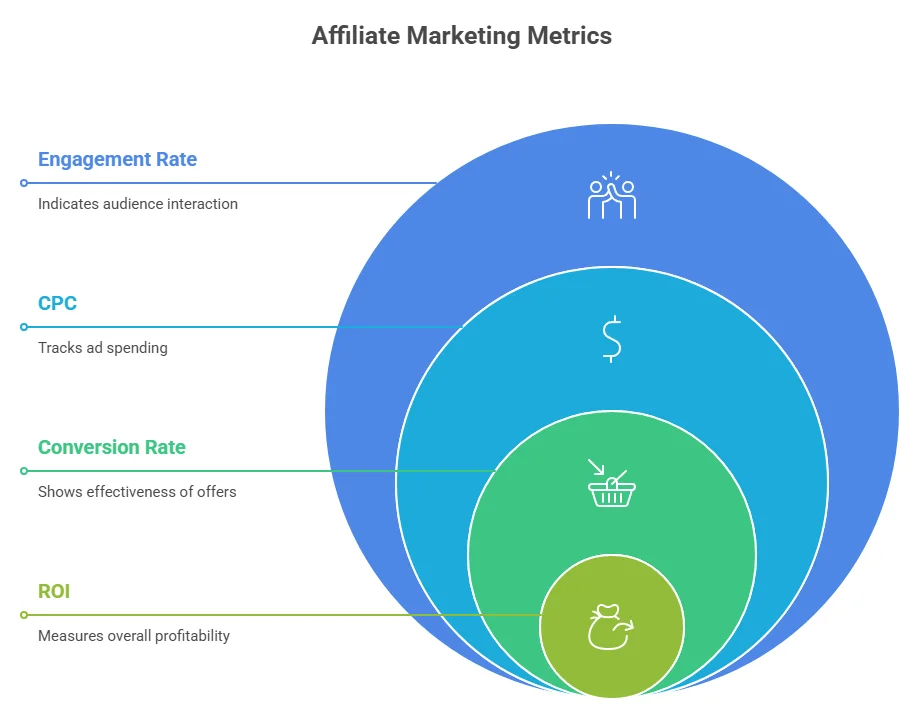
To effectively analyze your affiliate marketing campaigns on Facebook, focus on key performance metrics. These metrics not only clarify how your campaigns are doing but also identify areas for improvement. Here are some essential metrics to track:
- Click-Through Rate (CTR): This metric indicates the percentage of people who click on your affiliate links after seeing your ads. A higher CTR means your ad is engaging and relevant to your audience.
- Conversion Rate: The conversion rate measures how many clicks led to actual purchases or desired actions. This metric is crucial because it shows the effectiveness of your affiliate offers.
- Cost Per Click (CPC): CPC tells you how much you’re spending for each click on your ad. Monitoring your CPC helps ensure you’re not overspending and can indicate the ad’s overall performance.
- Return on Investment (ROI): ROI shows how profitable your affiliate marketing efforts are. Calculating your ROI helps you understand the financial return of your advertising spend.
- Engagement Rate: This metric surveys how much interaction your posts receive, including likes, comments, and shares. High engagement often correlates with better CTR and conversion rates.
Using Facebook Analytics for Detailed Insights
Facebook offers a range of analytical tools that provide in-depth insights into your affiliate marketing performance. Utilizing Facebook Insights allows you to break down your audience demographics, such as age, gender, and location, which can inform your campaign targeting. Additionally, Facebook Ads Manager provides metrics on your ad spend, reach, and impressions. By reviewing these figures, you can enhance your ad targeting. For instance, if your ads generate high clicks but low conversions, this could indicate a mismatch between the ad content and the affiliate offer.
Setting Goals and KPIs
Setting clear goals and key performance indicators (KPIs) is fundamental for measuring your success in Affiliate Marketing on Facebook. Here’s how to approach this:
- Define Your Objectives: Determine what you aim to achieve with your campaign. Whether it’s generating leads, driving sales, or boosting brand awareness, having a goal drives focus.
- Establish KPIs: Based on your objectives, establish KPIs that align with your goals. For example, if your goal is to increase sales, then focus on conversion rates and ROI.
- Regular Review: Continually review your metrics against your KPIs to assess progress. Adjust your strategies based on findings to improve future campaigns.
Utilizing A/B Testing
A/B testing is a powerful strategy in Affiliate Marketing on Facebook. By comparing two versions of your ads, you can determine which one performs better. This is how you can implement A/B testing:
- Choose a variable to test, such as ad copy or images.
- Create two versions of your ad, tweaking only the chosen element.
- Run both ads to similar audiences simultaneously for accurate comparisons.
- Analyze which ad yields higher engagement and conversions.
A/B testing lets you make data-driven decisions, ultimately enhancing your marketing efforts.
Tools for Analyzing Performance
To effectively measure your performance metrics, consider using these tools and resources:
| Tool | Description |
|---|---|
| Facebook Ads Manager | A comprehensive tool for managing and analyzing ad performance directly on Facebook. |
| Google Analytics | An excellent tool for tracking user behavior and conversions on your website from Facebook traffic. Learn more here. |
| Bitly | A URL shortening service that tracks link performance, essential for analyzing engagement for affiliate links. Find out more. |
Improving Your Strategy Based on Metrics
Once you’ve analyzed your performance metrics, it’s crucial to adapt your strategies based on what you learn. Here are several actionable steps:
- Optimize your ad targeting based on audience demographics.
- Refine your ad copy and visuals to enhance engagement.
- Adjust your budget allocation toward ads with higher conversion rates.
By constantly monitoring and analyzing these metrics, you will pave the way for successful affiliate marketing campaigns on Facebook, ultimately driving higher revenue.
Conclusion
Affiliate Marketing on Facebook offers immense potential if approached strategically. By implementing the tips and strategies discussed, you can maximize your success. Understanding Facebook’s algorithm is crucial; it shapes how your content is seen and engaged with. Tailoring your posts to align with these algorithms helps ensure your affiliate links reach a wider audience, boosting your chances of conversions.
Creating engaging content is the cornerstone of effective promotion. It’s not just about selling a product; it’s about providing value that resonates with your audience. When people find your posts interesting and relatable, they are more likely to click and trust your recommendations. Think about your tone, visuals, and the information you share—every detail counts in capturing attention.
Building a targeted audience is also vital. By knowing who your ideal customer is, you can craft content specifically that appeals to their needs and interests. Utilize Facebook’s ad tools to narrow down your audience based on demographics and interests, making your affiliate marketing efforts more effective.
Tracking performance metrics is essential to refining your strategy. Regularly analyze how your affiliate campaigns are performing. Look at the engagement rates, click-through rates, and ultimately, conversions. This data will guide you in adjusting your approach, helping you figure out what works and what doesn’t.
With dedication and the right techniques, you can turn Facebook into a powerful platform for affiliate marketing. By focusing on your audience, creating valuable content, and leveraging data analytics, you’ll pave the way toward affiliate success on this dynamic social media platform.