Affiliate Marketing with Pinterest

ATTENTION: Want to Learn Affiliate Marketing from Successful Affiliates?
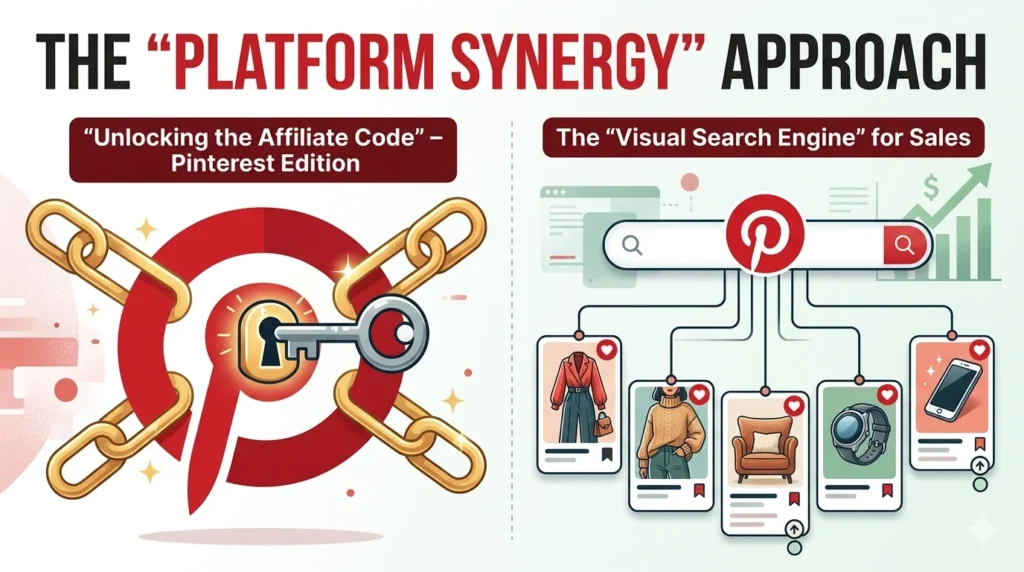
Affiliate Marketing with Pinterest can be a game changer for your online business. This visual platform offers a unique opportunity to reach millions of engaged users. To make the most out of Pinterest for affiliate marketing, you need to employ specific strategies that cater to its strengths. Here are some effective strategies to help you succeed.
Understand your audience
First, understand your audience. Pinterest users typically seek inspiration, ideas, and solutions. By knowing your target audience’s interests and preferences, you can create content that resonates. Utilize Pinterest Analytics to gain insights into your audience demographics, pin performance, and engagement rates. This data will guide your strategy, allowing you to tailor your pins accordingly.
Create high-quality visuals
Next, create high-quality visuals. Pinterest is all about eye-catching images. Invest time in designing stunning pins that stand out in a crowded feed. Use tools like Canva to create professional-looking graphics. Make sure your pins are well-lit, visually appealing, and have a clear focal point. Incorporate text overlays that clearly convey your message and include a call to action.
The visual aspect of Pinterest is paramount, so investing time in creating high-quality, appealing images is crucial. Here are some tips to enhance your visual content:
- Use Vertical Images: Vertical images (600×900 pixels or a 2:3 aspect ratio) take up more space and are more likely to catch the user’s eye.
- High-Quality Photos: Use high-resolution images that are clear and vibrant. Blurry or pixelated images can deter potential clicks.
- Incorporate Text Overlays: Adding text to your images can clarify what the Pin is about and encourage users to click through. Use bold, easy-to-read fonts and contrasting colors.
- Branding: Include your logo or website name subtly in the corner of the image. This helps with brand recognition and trust.
Write Compelling Descriptions
Your Pin’s description plays a critical role in SEO and in persuading users to click. When writing descriptions:
- Use Keywords: Incorporate relevant keywords naturally. This helps your Pins appear in Pinterest searches.
- Be Persuasive: Highlight the benefits of the product or service you are promoting. Encourage users to take action.
- Include Hashtags: Use a few relevant hashtags to improve searchability.
Consistency is key
Consistency is key. Regularly pinning content keeps your profile active and engaged with followers. Aim for a pinning schedule that allows you to share a mix of your own content and curated content from others. Use scheduling tools like Tailwind to plan your pins ahead of time, ensuring you maintain a consistent presence without overwhelming yourself.
Optimizing your pins
Optimizing your pins for search is essential for visibility. Use relevant keywords in your pin descriptions, board titles, and profile. Think about what users might search for and include those terms naturally in your content. For example, if you’re promoting a cooking blog, incorporate keywords like “easy recipes” or “healthy meal ideas.” This will help your pins appear in search results, increasing traffic to your content.
Engaging with your audience
Engaging with your audience boosts your visibility. Respond to comments on your pins and engage with users who share your content. By building a community, you can foster trust and encourage potential buyers to choose your recommendations. Additionally, collaborate with other pinners or influencers in your niche to broaden your reach. Joint boards can help you tap into their audience and gain new followers.
Interaction is key in building a loyal following on Pinterest. Engage with your audience by:
- Responding to comments on your Pins to create a connection.
- Following other users and repinning their content to create a sense of community.
- Creating group boards to collaborate and reach a wider audience.
Leverage Pinterest Trends
You can also leverage Pinterest Trends to identify popular topics. This tool allows you to see what’s trending on Pinterest at any given moment. By aligning your pins with these trends, you can increase the chances of your content being seen and shared. This strategic alignment can result in more clicks on your affiliate links.
Link your pins to specific blog posts
Instead of directing traffic to a generic homepage, always link your pins to specific blog posts or pages where users can find valuable information. By doing this, you provide a seamless experience that encourages engagement and generates sales. Use clear and compelling descriptions for each affiliate link to entice users to click through.
Creating multiple pins
Consider creating multiple pins for a single affiliate product. Different visuals or titles can attract varied audiences. A/B test your pins to see which ones perform better and adjust your strategy based on the results. This approach allows you to refine your content to give you the highest return on investment.
Rich Pins provide more context about an idea because they include extra information directly on the Pin. This added functionality can increase engagement and authority. There are three types of Rich Pins:
- Product Pins: Automatically include real-time pricing, availability, and product details.
- Article Pins: Feature a headline, author, and story description.
- App Pins: Provide a direct link to download an app.
Post at Optimal Times
Timing can have a significant impact on the performance of your Pins. Aim to post when your audience is most active. Generally, evenings and weekends see higher engagement levels on Pinterest. Use tools like Later or Tailwind to schedule your Pins for maximum reach.
Track and analyze your results
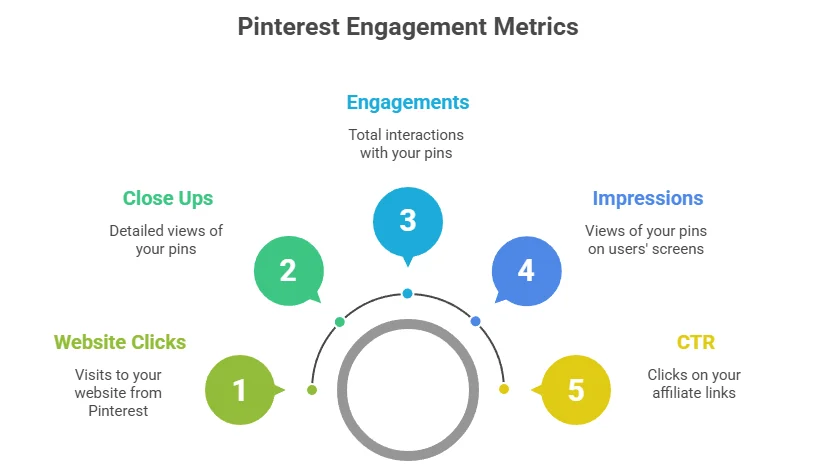
Track and analyze your results to improve your strategy. Use Pinterest Analytics to monitor which pins are performing well and bring traffic to your affiliate links. Pay attention to metrics like clicks, saves, and impressions. This data is invaluable for understanding what works and what doesn’t, allowing you to fine-tune your approach. Remember, successful affiliate marketing on Pinterest is an ongoing process that benefits from constant evaluation and adjustment.
Analyzing your Pin performance is vital. Use Pinterest Analytics to track which Pins are driving the most traffic and conversions. Pay attention to:
- Click-Through Rate (CTR): How many users clicked through to your affiliate link.
- Impressions: How often your Pins appeared in users’ feeds.
- Engagement: Likes, comments, and shares on your Pins.
By implementing these strategies, you can elevate your affiliate marketing efforts on Pinterest. With patience and persistence, you can build a profitable income stream while providing value to your audience. Don’t forget to stay updated with Pinterest’s ever-evolving platform and continuously adapt your strategy.
The Pinterest Analytics dashboard is your command center. It provides vital insights into how your pins are performing. Key metrics to focus on include:
- Impressions: This shows how many times your pins have appeared on users’ screens.
- Engagements: The total number of interactions, such as saves, clicks, and comments.
- Close ups: This indicates how many times users clicked to look at a pin in detail.
- Website Clicks: This tracks the number of visits to your website from Pinterest.
By analyzing these elements, you can determine which types of content resonate most with your audience.
Identify Your Best-Performing Pins
One of the first steps is to identify your top-performing pins. This can guide your future content strategy. Look for patterns in the type of images, descriptions, and keywords used in successful pins. Create a table to visualize your findings:
| Pin Type | Impressions | Engagements | Website Clicks |
|---|---|---|---|
| DIY Tips | 2,500 | 300 | 150 |
| Fashion Ideas | 3,000 | 450 | 200 |
| Healthy Recipes | 1,800 | 250 | 120 |
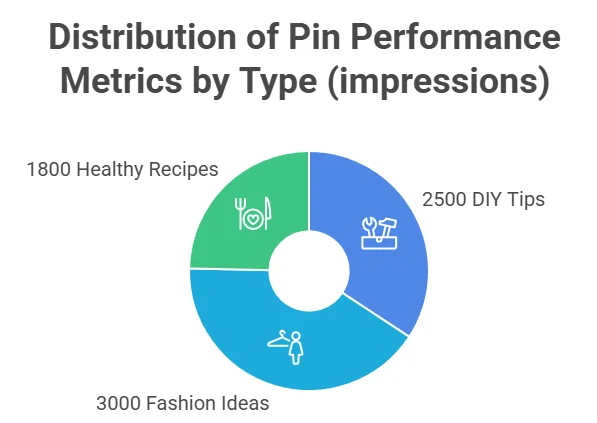
As you gather data, focus on what pin type drives the most website clicks. This indicates potential for affiliate promotions.
Optimize Your Pin Descriptions
The description section of a pin is undervalued but crucial for SEO. Use relevant keywords that relate to your affiliate products to enhance visibility. Make sure your descriptions are clear and directly address your audience’s needs. A compelling description encourages users to click through.
Tips for Writing Effective Pin Descriptions:
- Be concise yet descriptive.
- Incorporate keywords naturally.
- Include a call-to-action (CTA) to motivate clicks.
By optimizing your pin descriptions, you increase the chances of appearing in search results. This strategy can significantly influence your affiliate marketing success.
Monitor Audience Engagement
Understanding your audience is key to affiliate marketing on Pinterest. Utilize Pinterest Analytics to monitor where your audience is coming from and what actions they take on your content. Check demographics such as age, gender, and location to tailor your promotions accordingly. Knowing who engages with your pins can help you refine your marketing approach.
Tools to Enhance Analysis:
- Pinterest Business Tools: Essential for deeper data insights.
- Tailwind: Useful for scheduling posts and analytics.
- Canva: Great for designing eye-catching pins that attract clicks.
Leveraging these tools can amplify your results and facilitate smarter decisions.
Test and Adjust Your Strategy
Affiliate marketing success doesn’t come overnight. It requires testing and adjusting your strategy based on the analytics data. Approach your pins like an experiment. If a particular type of content isn’t performing well, try tweaking the visual elements or switching up the description. Consistently analyze the results and continue to refine your tactics. As you dive deeper into Pinterest Analytics, keep in mind that the platform is ever-evolving.
Stay updated on new features and adapt your strategy accordingly. By utilizing data-driven decisions, you can significantly increase your success in affiliate marketing on Pinterest. By understanding your audience, optimizing your content, and making informed adjustments, you will maximize your affiliate marketing potential on Pinterest. Start exploring your analytics today to take your affiliate marketing to new heights!
Collaborating with Influencers on Pinterest for Affiliate Promotions
Collaborating with influencers on Pinterest can open exciting opportunities for affiliate marketing. Pinterest is a visual platform, making it perfect for showcasing products creatively. To maximize the benefits of this collaboration, it is essential to understand how to strategize for success. Below are key insights for engaging influencers effectively.
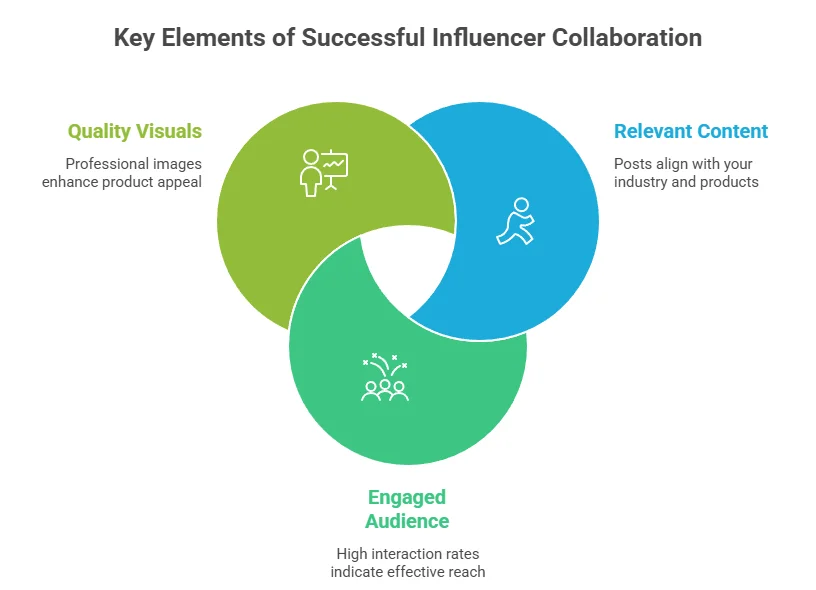
First, identify the right influencers for your niche. Look for accounts that align with your brand values and have an audience interested in your products. A good influencer should have:
- Relevant Content: They should regularly post about topics or products relevant to your industry.
- Engaged Audience: Check their follower engagement rates. An influencer with 1,000 followers but high engagement may perform better than one with 10,000 followers and lower interaction.
- Quality Visuals: Professional-looking images can make your products shine in the influencer’s feed.
Once you have pinpointed the right influencers, reach out with a clear and compelling proposal. Be honest about what you offer and what you expect in return. Clearly outline:
- Your affiliate program details, including commission rates.
- The type of content you’d like them to create.
- Any specific call-to-action you want to include.
- Incentives for their audience, such as discount codes or giveaways.
After establishing a partnership, provide the influencer with the necessary resources. Share high-quality images, your logo, and branding guidelines. This ensures consistency between your brand and the influencer’s content. A consistent look and feel make the promotion more appealing and recognizable. Remember, the goal is to create eye-catching pins that invite clicks.
Next, brainstorm unique pin ideas together. Encourage influencers to showcase your products within their context. For example, if you sell kitchen gadgets, the influencer could create a pin showing them in use, possibly in recipes or cooking tips. People love to see products in action, and it makes them more relatable to potential buyers. Consider creating:
- How-to guides with your products.
- Listicles that include your items.
- Infographics combining useful tips and your products.
Timing is also essential. Coordinate with the influencer to choose the best times to post. Analyzing Pinterest trends will help understand peak activity times for your target audience. Use Pinterest Analytics to determine when your audience is most engaged and share those insights with your collaborator.
It’s vital to keep track of the affiliate links. Each pin should include a direct link to your website or product page. You can use tools like bit.ly to shorten links for a cleaner look. This allows you to monitor clicks easily and measure the performance of each pin. Regularly review your Pinterest analytics as well as the influencer’s performance data to learn which strategies work best.
Social proof can significantly enhance your promotions. If an influencer has created eye-catching pin content featuring your items, share their posts across your channels. Showcasing real-life endorsements builds trust and encourages more clicks. Besides, consider running promotions based on influencer content, such as hosting a giveaway through their boards.
Stay engaged with your influencer partners even after the campaign. Continually building relationships can lead to more promotions down the line. Provide feedback on their posts, and remain open to their ideas. Keeping communication lines open encourages a positive partnership that can persist well beyond a single campaign.
By strategically collaborating with influencers on Pinterest, you can significantly boost your affiliate marketing efforts. You will not only increase your brand visibility but also foster authentic connections with potential customers. Remember, the essence of effective Pinterest marketing is creativity and interaction.
Common Mistakes to Avoid in Affiliate Marketing with Pinterest
Affiliate marketing with Pinterest can be a lucrative venture, but it’s crucial to navigate it wisely. Many marketers step into the Pinterest scene with excitement, only to fall prey to common pitfalls. Here are some mistakes to avoid to ensure your affiliate marketing efforts are effective and profitable.
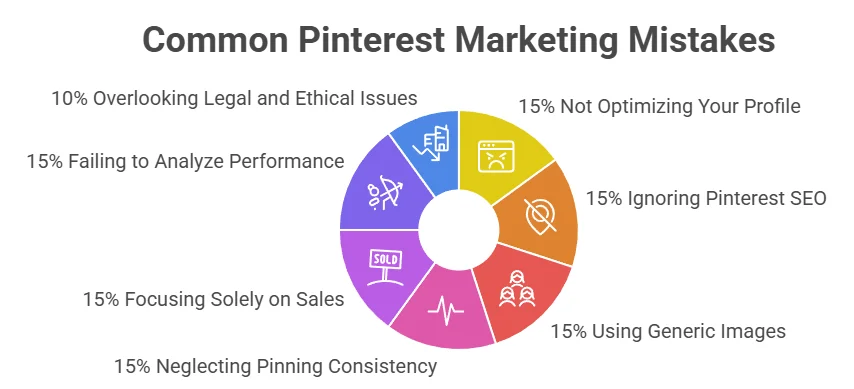
Not Optimizing Your Profile
Your Pinterest profile is your first impression. If it lacks professionalism or clarity, users might skip your content. Make sure to:
- Use a clear profile picture and an engaging bio that reflects your niche.
- Include keywords relevant to your niche in your profile description to enhance searchability.
- Link your website or blog to your profile for better credibility.
Ignoring Pinterest SEO
Pinterest is a visual search engine. Ignoring its SEO capabilities is a missed opportunity. You should:
- Research and use keywords in your pin descriptions to attract more visibility.
- Create rich pins that provide extra information, boosting engagement and click-through rates.
- Utilize hashtags appropriately to help your pins appear in relevant searches.
Using Generic Images
The visuals you share play a significant role in attracting users. Using generic or low-quality images can harm your engagement rates. Instead:
- Invest in high-quality, original images that resonate with your target audience.
- Create eye-catching graphics using tools like Canva to stand out.
- Test different styles to see what resonates best with your audience.
Neglecting Pinning Consistency
Posting sporadically can confuse your audience and diminish your reach. It’s essential to maintain a consistent pinning schedule. Consider using scheduling tools like Tailwind to streamline your efforts. Here are some tips to stay consistent:
- Pin at optimal times when your audience is most active.
- Rotate through a mix of your content and relevant content from others to keep your boards fresh.
Focusing Solely on Sales
While the goal of affiliate marketing is to drive sales, a hard-selling approach can backfire. Instead of constantly pushing products, aim to:
- Provide value through informative and engaging content.
- Incorporate storytelling in your pins to foster deeper connections with your audience.
- Share tips, tutorials, or inspiration that aligns with your affiliate products.
Failing to Analyze Performance
Not tracking your performance means you’re flying blind. Utilize Pinterest Analytics to monitor your pin success. Focus on:
- Evaluating which types of content generate the most engagement.
- Understanding your audience’s preferences to fine-tune your strategy.
- Making data-driven decisions to optimize your future campaigns.
Overlooking Legal and Ethical Issues
Transparency is critical in affiliate marketing. Failing to disclose affiliate links can damage your reputation and violate Pinterest’s guidelines. Ensure you:
- Clearly indicate when a pin contains affiliate links.
- Understand and follow the Federal Trade Commission (FTC) guidelines regarding affiliate marketing.
By avoiding these common mistakes, you can enhance your success in affiliate marketing with Pinterest. With strategic planning and a focus on adding value, your efforts can lead to increased traffic, engagement, and ultimately, sales. For those looking for further insights on succeeding in affiliate marketing, consider checking resources like HubSpot, Social Media Examiner, and Oberlo.
Conclusion
Affiliate marketing with Pinterest is an exciting opportunity that can lead to significant revenue if approached strategically. By implementing the right strategies, you enhance your chances of standing out on the platform. Engaging pins that highlight your affiliate products play a crucial role in capturing attention. Utilizing high-quality images and compelling descriptions can make a substantial difference in user engagement.
Understanding Pinterest Analytics is vital. By analyzing metrics such as clicks and saves, you can pinpoint what works and what doesn’t, allowing you to refine your marketing approach for greater effectiveness. Additionally, collaborating with influencers can amplify your reach. Building relationships with influencers who resonate with your target audience can drive traffic to your affiliate links, creating a win-win situation for both parties.
However, to succeed, it’s essential to avoid common pitfalls. Failing to follow Pinterest’s guidelines or neglecting to disclose affiliate relationships can damage your credibility. Keeping your focus on providing value to your audience rather than solely pushing products will establish trust and foster loyalty in your followers.
If you take these elements into account, you can harness the full power of Pinterest for affiliate marketing. By being strategic in your approach, crafting engaging content, analyzing your performance, collaborating effectively, and steering clear of mistakes, you are well on your way to achieving impressive results. Embrace the platform with creativity and authenticity, and watch your affiliate marketing efforts flourish.