
Affiliate Marketing Content Publishing Schedule


ATTENTION: Want to Learn Affiliate Marketing from Successful Affiliates?
Successfully building your affiliate marketing strategy requires a well-planned Affiliate Marketing Content Publishing Schedule. An effective schedule not only keeps you organized but also ensures that you engage your audience consistently. Let’s dive into key aspects of developing that schedule.
First, identify your target audience. Knowing who you are writing for will guide your content choices. Ask yourself:
- What are their interests?
- What problems do they need solving?
- What types of content do they prefer—blogs, videos, reviews, or social posts?
Once you have your audience mapped out, it’s time to focus on your content types. A mix of content formats will help keep your audience engaged. Here’s a list of popular content types:
- Blog posts
- Product reviews
- Tutorials
- Infographics
- Videos
- Podcasts
Next, you should decide how often to publish content. Consistency is key in affiliate marketing. Regular updates keep your site fresh and can help you build authority. Consider these points:
- Daily: Suitable for blogs with high engagement.
- Weekly: Ideal for maintaining a steady flow of new content.
- Monthly: Good for deep dives into specific topics.
Creating a content calendar can streamline your efforts. A calendar helps visualize when and where content will be published. Here’s how to structure your calendar:
| Day | Content Type | Topic | Platform |
|---|---|---|---|
| Monday | Blog Post | Best Tools for Affiliate Marketers | Your Website |
| Wednesday | Video | How to Start Affiliate Marketing | YouTube |
| Friday | Social Media Post | Quick Affiliate Tips |
Managing your time effectively is another crucial aspect. Tools like Google Calendar or Trello can assist you in tracking your deadlines and tasks. Use these tools to set reminders and prioritize your work.
Also, keep an eye on analytics. Understanding how your audience interacts with your content will enable you to optimize your strategy. Look for these metrics:
- Traffic Sources
- Engagement Rates
- Conversion Rates
Analyzing this data will help you identify what content resonates most with your audience. This will allow you to adjust your schedule and focus on high-performing content.
Another important tip is to incorporate promotional strategies into your Affiliate Marketing Content Publishing Schedule. This means scheduling time for social media posts that promote your content. Share each new post across your various platforms. Consider also running email marketing campaigns to inform your subscribers of new content.
Networking can play a significant role in your success. Collaborate with other affiliate marketers or influencers in your niche. It’s a great way to reach new audiences. Schedule time each month to engage with other content creators—this could be in the form of guest posts or social media shout-outs.
Always be open to adjusting your content schedule. The digital landscape is dynamic. Trends can shift quickly, so staying adaptable will help you maintain relevancy. Regularly revisit your calendar and don’t be afraid to change things up if something isn’t working.
To further enhance your skills in affiliate marketing, consider resources from experts in the field. Websites like Affilorama and Smart Passive Income offer valuable insights and tools. Utilize these as references to refine your content strategy.
Creating a publishing schedule tailored specifically for your affiliate marketing efforts can lead to greater success and more significant income potential. Start planning today, and watch your affiliate goals become a reality.
Key Metrics to Track for Your Affiliate Marketing Content
Understanding Your Audience
To effectively track metrics for your affiliate marketing content, you first need to know who your audience is. Understanding your target demographic will help tailor your content to their specific needs and preferences. This creates a more engaging experience, encouraging your readers to take action.
Key Metrics to Monitor
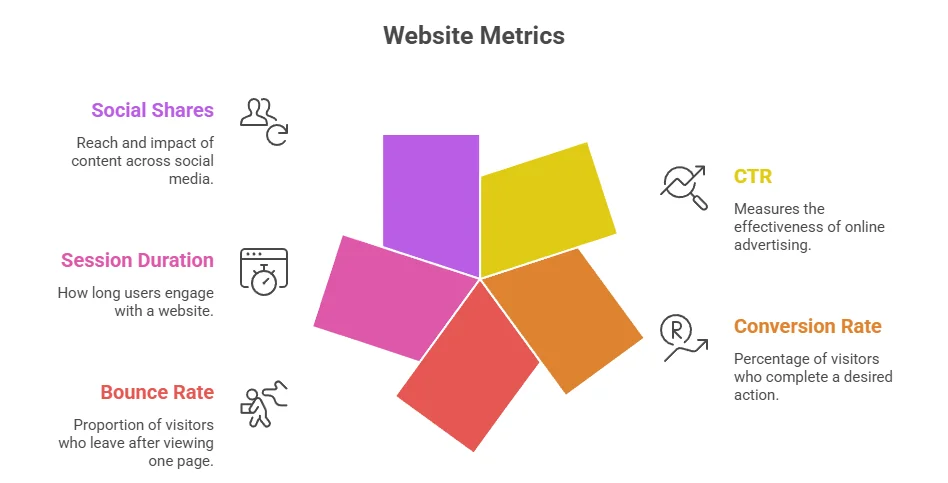
Understanding key metrics will allow you to assess the performance of your affiliate marketing content effectively. Here are essential metrics to keep track of:
1. Click-Through Rate (CTR)
The click-through rate is crucial in gauging the effectiveness of your affiliate links. It measures how often users click on your affiliate links compared to how often they are displayed. You can calculate it using the formula:
| Clicks | Impressions | CTR (%) |
|---|---|---|
| 100 | 1,000 | 10% |
Aim for a CTR above 2-3% for effective campaigns. If your percentage is significantly lower, it may indicate that your call-to-actions (CTAs) or content itself needs improvement.
2. Conversion Rate
The conversion rate shows how many clicks turn into actual purchases or sign-ups. A higher conversion rate implies that your content resonates well with the audience and encourages them to act. Use this formula:
| Conversions | Clicks | Conversion Rate (%) |
|---|---|---|
| 20 | 100 | 20% |
Aim for a conversion rate of at least 1%.
3. Bounce Rate
Bounce rate measures the percentage of visitors who leave your site after viewing only one page. A high bounce rate might indicate that your content isn’t engaging enough or your audience isn’t finding what they need. Aim to keep it below 40%.
4. Average Session Duration
This metric lets you know how long visitors stay on your site. Higher numbers indicate that users find value in your content. Monitor this closely to identify potential areas of improvement.
5. Social Shares and Engagement
Track how often your content is shared on social media platforms. Increased shares indicate that your content resonates well with your audience, enhancing brand reach and visibility. The more people share, the wider your audience becomes.
Tools for Tracking Metrics
Various tools can assist you in tracking your metrics effectively. Here are some popular options:
- Google Analytics – Comprehensive tool for tracking website performance, including CTR and bounce rates.
- SEMrush – Great for analyzing your SEO performance which indirectly impacts your affiliate marketing.
- Clicky – Offers real-time analytics for your website traffic and metrics.
Analyzing the Data
After tracking these metrics, optimize your content accordingly. Look for patterns in user behavior. For example, if users engage more with specific content formats, consider producing more of that type. A/B testing can also help you find what works best.
Making Improvements
Use the insights gained from these metrics to refine your affiliate marketing strategies. Consider the following approaches:
- Regularly Update Content: Make sure your older posts are updated with fresh information to keep them relevant.
- Optimize CTAs: Test different call-to-action phrases to determine which generates the most clicks.
- Enhance User Experience: A clean, navigable website encourages longer visits and lower bounce rates.
Strategies for Repurposing Content in Affiliate Marketing
In the fast-paced world of affiliate marketing, content creation is just the beginning. Repurposing that content can significantly amplify its reach and effectiveness. By leveraging your existing materials in new ways, you save time and enhance your marketing efforts. Let’s explore some effective strategies for doing just that.
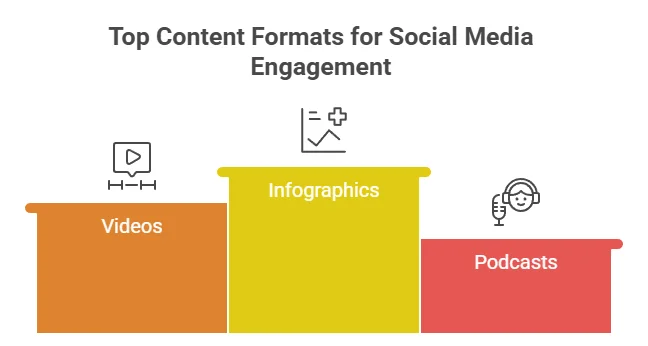
First, consider transforming written content into different formats. For instance, blog posts can be converted into:
- Videos: Create engaging video content by summarizing the key points from your articles. This can reach an audience who prefers visual learning.
- Infographics: Visual representations of data or concepts are easily shareable on social media. Use infographics to highlight essential statistics or steps.
- Podcasts: Turn written articles into audio content. This is particularly beneficial for users who listen while commuting or multitasking.
Each platform has its unique audience, and repurposing written content into these formats allows you to connect with diverse groups. Check out Canva for designing stunning infographics and Audacity for easy audio editing.
Another effective strategy involves updating old content. This not only helps with SEO but also ensures your audience receives accurate information. Consider the following tips:
- Refresh statistics: Update any outdated numbers or facts to keep your posts relevant.
- Add new insights: Incorporate recent trends or findings that were not available when the original content was published.
- Change the format: Switch blog posts into checklists or how-to guides, which can often boost engagement.
Moreover, leveraging user-generated content can enhance your marketing strategy. Encourage your audience to share their experiences with your promoted products. Here’s how you can do it:
- Testimonials: Collect reviews and publish them as part of a blog post or social media campaign.
- Social Posts: Share user content featuring your product. This enhances credibility and engages other users.
- Contests: Create contests asking users to submit unique ways they use your affiliate products, then showcase the best submissions.
Utilizing social media for repurposing content can also be a game changer. Share snippets of your blog posts or videos on platforms like Instagram, Twitter, and Facebook:
- Teaser clips: Post short clips from your videos to intrigue potential viewers.
- Quote cards: Design image quotes from your articles to encourage sharing on platforms like Pinterest.
- Story updates: Utilize story features on various platforms to engage followers with quick tips or product highlights.
In addition, creating a resource page that consolidates all your best content can offer immense value. Think of it as a content hub where visitors can find:
- Related articles: Link to various blog posts that address similar topics or themes.
- Tools and resources: Include guides, tools, or eBooks that you’ve created.
- FAQs: Address common questions related to your niche to provide further value to your audience.
Another aspect to consider is syndicating your content. This process means sharing your original articles on platforms like Medium or Quora, where you can reach a broader audience. Just be sure to link back to your original post to maintain SEO impact.
Using email marketing is another promising avenue for repurposing content. You can send newsletters that feature:
- Round-ups of your top posts: Create a monthly summary of your best content with links for easy access.
- Exclusive insights: Share behind-the-scenes content or early access to new materials with your subscribers.
- Special promotions: Combine product recommendations with affiliate links in well-crafted emails.
Most importantly, ensure everything repurposed fits seamlessly into your affiliate marketing strategy. By varying your content approach, you not only engage with your audience more effectively but also establish a sustainable model for content creation and distribution. Utilize your efforts wisely to make the most of your affiliate marketing endeavors and to build a community around your brand.
The Role of SEO in Your Affiliate Marketing Content Plan
When diving into the world of affiliate marketing, it’s essential to recognize the critical role that SEO plays in your content plan. Search Engine Optimization (SEO) helps your content become visible to potential customers searching for products and services online. Without a solid SEO strategy, even the best content might remain hidden and fail to generate traffic.
Understanding how SEO works can elevate your affiliate marketing efforts significantly. Here’s how you can effectively integrate SEO into your content strategy:
Keyword Research
Keyword research is the backbone of any successful SEO strategy. Identifying the right keywords ensures that your content resonates with what potential customers are actively searching for. Start by using tools like Google Keyword Planner or Ahrefs to find keywords related to your affiliate products.
- Search Volume: Look for keywords that have high search volumes.
- Competition: Choose keywords that have manageable competition.
- Relevance: Ensure that the keywords relate directly to your niche.
On-Page SEO Optimization
Once you have your keywords, your next step is to optimize your content. Here are some key elements to focus on:
| Element | SEO Tips |
|---|---|
| Title Tag | Include your primary keyword at the beginning. |
| Meta Description | Craft a compelling description that entices clicks and contains the main keyword. |
| Headings | Use H3 and H4 tags to break down your content and include keywords. |
| Image Alt Text | Describe images using relevant keywords to improve SEO. |
| URL Structure | Keep URLs short and include the primary keyword. |
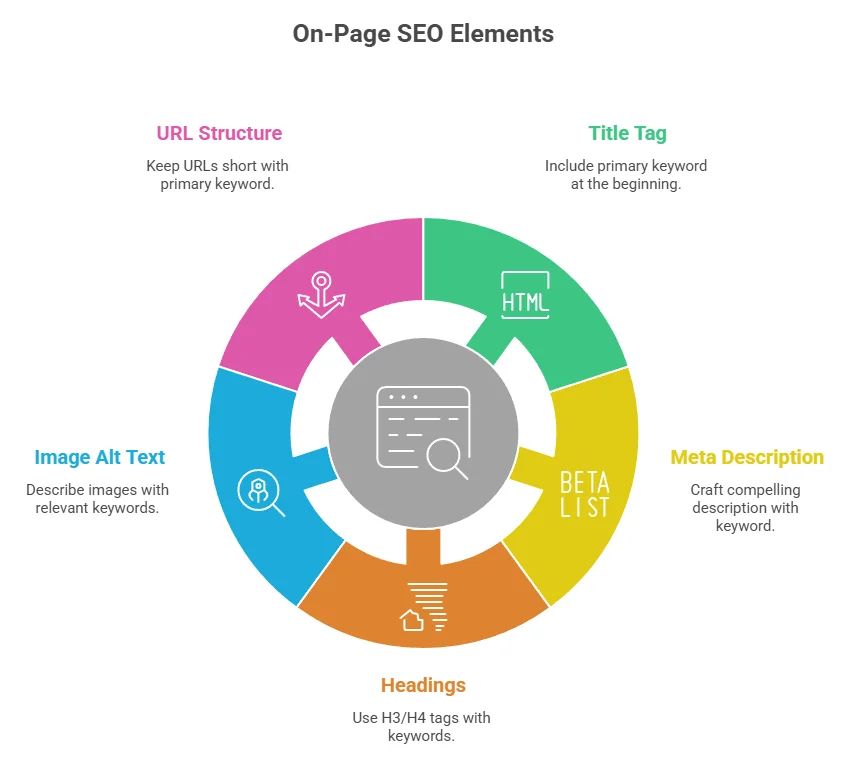
Optimizing these elements will enhance your chances of ranking higher in search engines, thus driving organic traffic to your affiliate links.
High-Quality Content Creation
Creating valuable and engaging content is vital for both SEO and your audience. Your articles should provide solutions, insights, or entertainment that genuinely help your readers. Quality content leads to better engagement, which can lower your bounce rate and improve your rankings over time. Always aim for:
- Unique perspectives on products.
- Comprehensive guides that delve deeper than competitors.
- Regular updates to keep your content fresh and relevant.
Moreover, including a mix of formats—like videos, infographics, and well-researched blog posts—can cater to various audience preferences and aid in further enhancing engagement.
Building Internal and External Links
Link building is an essential SEO practice. Internal links navigate users to other content on your site, enhancing their overall experience. External links to high-authority sites within your niche boost credibility. Here’s how you can approach it:
- Internal Links: Use them wisely to guide readers to related posts, increasing their time on your site.
- External Links: Link to reputable sources such as Search Engine Journal or Moz to enhance trustworthiness and provide additional value.
Utilizing SEO Tools and Analytics
To successfully implement an SEO strategy, leveraging various SEO tools is essential. Tools like SEMrush, Google Analytics, and Yoast SEO help monitor traffic, keyword performance, and on-page SEO elements. Always keep an eye on:
- Your website’s performance metrics.
- Keywords that bring the most traffic.
- Pages with high bounce rates.
By analyzing this data regularly, you can adjust your content strategy and SEO efforts effectively.
Social Sharing and Engagement
Don’t underestimate the power of social media. Sharing your content on platforms like Facebook, Instagram, and Twitter can drive traffic and create signals that indicate to search engines that your content is valuable. Encourage readers to share your content by including social sharing buttons and crafting compelling calls to action (CTAs).
SEO into your affiliate marketing content plan can drive traffic and increase your conversion rates. By focusing on keyword research, on-page optimization, creating high-quality content, building links, and leveraging analytics, you will set your affiliate marketing efforts up for greater success.
For more information on SEO practices, check out Ahrefs Blog or Backlinko.
Engaging Your Audience: Writing Techniques for Affiliate Marketing Success
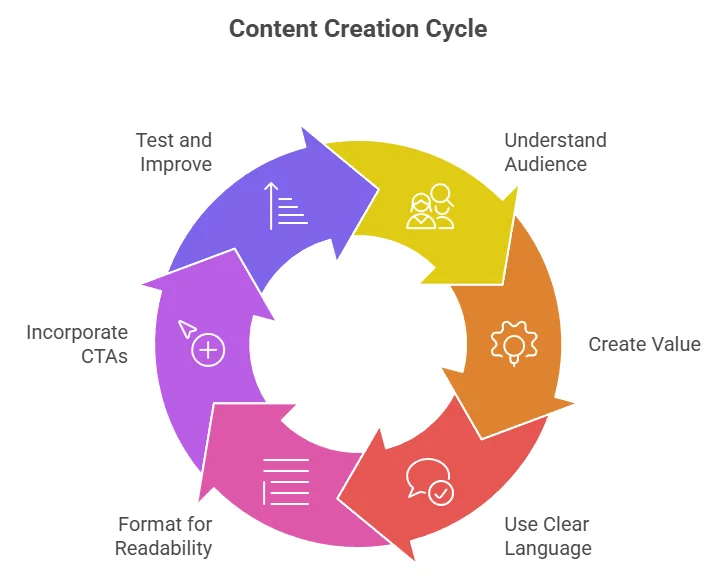
When engaging your audience in affiliate marketing, knowing how to connect with your readers can set you apart from the competition. Understanding writing techniques that captivate and retain attention is key to your affiliate marketing success.
Understand Your Audience
Before you pen down your thoughts, spend some time getting to know your target audience. Consider these aspects:
- Demographics: Age, gender, location, and income level
- Interests: What topics resonate with them?
- Challenges: What problems are they facing that you can address?
Engaging without understanding your audience is like shooting arrows in the dark. Use platforms like Facebook or Reddit to gather insights and feedback.
Create Value-Driven Content
Your audience craves information that adds value to their lives. This can be achieved through various forms of content, whether it’s a blog post, video, or infographic. Focus on:
- Providing solutions: Address the specific problems your audience faces.
- Sharing expert knowledge: Write about topics where you can position yourself as a thought leader.
- personal stories: Offer relatable experiences that resonate.
Utilize Clear and Persuasive Language
The choice of words in affiliate marketing is crucial. Aim for clarity, making your writing accessible and engaging. Use the following strategies:
- Active voice: It makes sentences stronger and clearer. For example, instead of saying “The guide was written by us,” say “We wrote the guide.”
- Short sentences: Keep your points succinct to maintain the reader’s attention. Avoid dense paragraphs that may overwhelm.
- Personal touch: Use the word “you” often to speak directly to the reader, creating a sense of dialogue.
With this approach, you’ll invite readers into a conversation, making them feel valued and understood.
Format for Readability
Make your content easy to digest. Proper formatting helps guide the reader through your text. Consider these tips:
- Use bullet points for lists; it makes scanning easier.
- Include images or videos that complement your text, providing visual breaks.
- Use headings effectively to structure your article, helping readers follow along.
Incorporate Calls to Action (CTAs)
Each piece of content should have a clear goal. What do you want the reader to do afterward? Include actionable CTAs throughout your content:
- Ask readers to subscribe to a newsletter for further insights.
- Encourage them to check out products you recommend with affiliate links.
- Invite them to leave comments and share their thoughts on the topic.
Test and Improve Your Content
Engagement does not end with publishing. Monitor how your audience interacts with your content by using analytics tools like Google Analytics. Look at metrics like:
| Metric | What it Measures |
|---|---|
| Bounce Rate | Percentage of visitors who leave without engaging. |
| Time on Page | Average time a user spends on your content. |
| Conversion Rate | Percentage of visitors who click your affiliate links. |
Use the data collected to refine your content continually. Tweak headlines, experiment with different writing styles, or try new formats to see what resonates the most.
Engage with Your Readers
Building a community around your content can be instrumental in affiliate marketing. Engage with your readers through comments, social media, and emails. Responding to their inquiries or feedback shows you value their input and increases trust.
To sum it up, using effective writing techniques can help you engage your audience better in affiliate marketing. By understanding your readers, creating valuable content, and continuously improving, you can achieve significant success.
For more information on effective affiliate marketing strategies, visit ShoutMeLoud and Smart Passive Income for expert tips and resources.
Conclusion
Creating a robust Affiliate Marketing Content Publishing Schedule is crucial for sustained success. By effectively planning your content, you ensure a consistent flow that resonates with your audience. Key metrics like click-through rates, conversion rates, and engagement levels provide valuable insights. Tracking these metrics enables you to refine your strategy and make data-driven decisions.
Repurposing content is another powerful strategy; it allows you to maximize your efforts by transforming one piece of content into several formats. For instance, a blog post can be turned into a video, an infographic, or a social media snippet, thus broadening your reach and reaffirming your expertise.
SEO best practices into your content plan optimizes visibility and drives organic traffic. Using relevant keywords, optimizing headers, and creating internal links are vital for search engine performance.
Audience engagement is key in affiliate marketing. Utilize captivating writing techniques, such as storytelling and addressing pain points, to create a connection with your readers. Engaged readers are more likely to trust your recommendations and click on your affiliate links.
By focusing on these integral components—developing a solid publishing schedule, tracking important metrics, repurposing content, prioritizing SEO, and engaging your audience—you set yourself on the path to effectively drive your affiliate marketing success. Remember, the art of affiliate marketing lies in providing value, so keep your audience at the heart of your content strategy.