
How to Choose Profitable Affiliate Niches


ATTENTION: Want to Learn Affiliate Marketing from Successful Affiliates?
Finding the right niche in affiliate marketing is crucial for your success. While many marketers jump into popular niches, choosing something that truly stands out can make all the difference in profitability. Here are key factors to consider to help you How To Choose Profitable Affiliate Niches.
Understand Your Interests
Start by assessing your own interests and passions. When you are genuinely excited about a topic, it shines through in your content and marketing efforts. This will also help you stay motivated, making it easier to produce ongoing content. Ask yourself these questions:
- What topics do I enjoy discussing?
- Which hobbies am I passionate about?
- What skills or knowledge do I possess that can be helpful?
Analyze Market Demand
Once you’ve narrowed down potential niches based on your interests, investigate the demand for those niches. Tools such as Google Trends and Google Keyword Planner can help you understand how many people are searching for specific topics. A high search volume indicates a strong demand. However, don’t just rely on broad keyword searches; also consider long-tail keywords that indicate purchasing intent.
Evaluate Competition
After identifying high-demand niches, examine the level of competition. A niche with too much competition can make it difficult for you to stand out. Here are some ways to evaluate competition:
- Search for affiliate programs within that niche.
- Look at the number of existing affiliates promoting similar products.
- Review top-ranking websites in that niche to see their content quality and strategies.
Utilize tools like Ahrefs or Moz to analyze the backlinks and authority of competing sites. This will help you gauge whether entering that market is worth your time and effort.
Consider Profitability
Not all niches are equally lucrative. Look for products or services that offer good commission rates. Typically, digital products like eBooks, online courses, and software tend to have higher commission percentages than physical products. Consider the following:
- What is the average affiliate commission for products in the niche?
- Are there recurring commissions for subscription services?
- How often do customers make repeat purchases?
Make sure you don’t overlook any affiliate networks. Platforms such as Amazon Associates, ClickBank, and ShareASale offer a wide variety of products across multiple niches.
Explore Trends and Future Potential
Focusing solely on current popular trends can be limiting. Instead, aim for niches that show growth potential. Identify emerging trends using tools like Exploding Topics or the trending section of social media platforms. Monitoring industry blogs and participating in forums can also keep you informed about what’s on the rise.
Examine Audience Demographics
Understanding the target audience for your chosen niche is vital. Look into the demographics, preferences, and pain points of your potential customers. Conduct surveys or participate in online discussions to gather insights. The more you know about your audience, the more tailored your marketing strategies can be. Some key points to consider include:
- What age group is most interested in the niche?
- What problems can your products solve for them?
- What are their spending habits?
Test the Waters
Before going all-in, consider testing your niche. Create a simple blog or website and publish content related to the niche. Use social media and online forums to generate traffic. Monitor your results to see which content resonates with your audience. Based on this initial feedback, you can decide whether to commit to this niche long-term.
By focusing on your interests, analyzing market demand, and evaluating competition, you can make an informed decision. Remember, choosing the right affiliate niche is essential for a successful online business. Take the time to research and select wisely, and you will set yourself up for future profitability.
Analyzing Market Trends: Finding Your Perfect Affiliate Niche
Finding a profitable affiliate niche can feel overwhelming, but with the right approach, you can simplify the process. It’s essential to analyze market trends and understand what will sell before you dive into the affiliate marketing world. Here’s a proactive way to identify your perfect spot in the affiliate landscape.
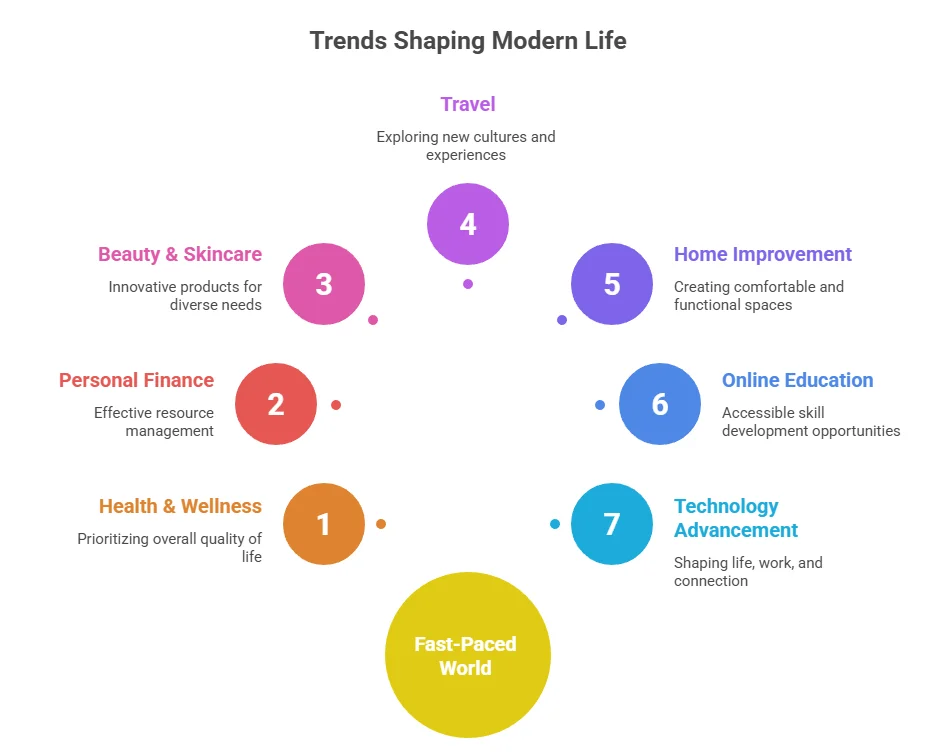
First, consider your interests and passions. Engaging with a niche you genuinely care about keeps you motivated. Think about topics that excite you. Are you into fitness, technology, hobbies, or fashion? By laying out your interests, you can better align with an audience excited about the same topics. Researching popular niches in the affiliate market can provide insight into what products people are purchasing. Some profitable niches that continue to perform well include:
- Health and wellness
- Personal finance
- Beauty and skincare
- Travel
- Home improvement
- Online education
- Technology
Tools like Google Trends can help you evaluate the popularity of these niches over time. Enter specific keywords related to your interests and see if they show consistent search volume. When interest spikes, it’s a good indication that there’s potential for profitability.
Next, investigating your competition is crucial. Even within a profitable niche, there may be less saturated areas to explore. Use platforms like Ahrefs and SEMrush to analyze what competitors are doing. Here are some pointers for analyzing competition:
- Identify top competitors and their content strategies.
- Assess their engagement levels on social media.
- Explore what keywords they’re ranking for.
Additionally, connecting with your target audience plays a vital role. Join relevant forums and groups on platforms like Facebook or Reddit. Conversations in these spaces can reveal pain points, interests, and gaps that you can fill with your affiliate marketing efforts. Remember, understanding your audience’s needs and preferences gives you a competitive edge.
Another vital step is to analyze affiliate programs. Look for programs with a good commission structure. Programs like Amazon Associates or Shopify Affiliate Program are excellent starting points. Make sure to evaluate:
- The commission percentage
- The cookie duration (how long your referral is tracked)
- The reputation of the brand
- The range of products or services available to promote
You’ll want to ensure that whatever program you choose aligns well with your niche and resonates with your audience. Balance these factors to ensure you’re promoting quality products while also generating income effectively.
Gathering feedback is another essential factor in refining your niche selection. Launch a series of test promotions focusing on different segments of your chosen niche. Use a mix of blogging, social media posts, and email marketing to gauge audience response. Measure the engagement rates on each content piece to see where interest lies. This testing phase can dramatically clarify which areas to focus on.
Keep an eye on emerging trends. Technology is continually evolving, and new products or services can rapidly gain popularity. Set alerts for industry news to capitalize on these changes early. Resources like Statista and IBISWorld can provide valuable market insights. By staying informed on shifts and consumer behavior, you can adapt more easily and seize fresh opportunities.
To summarize, choosing a profitable affiliate niche requires a mix of passion, research, and strategic thinking. Utilize tools to analyze market trends, understand your competition, connect with your audience, and explore various affiliate programs. With these steps, you’ll be well on your way to identifying a rewarding and profitable affiliate niche.
Target Audience Identification: Understanding Who to Market To
Understanding your target audience is essential for successful marketing. By clearly identifying who you want to reach, you can create messages that resonate with them. This not only improves engagement but also boosts your sales and conversions.
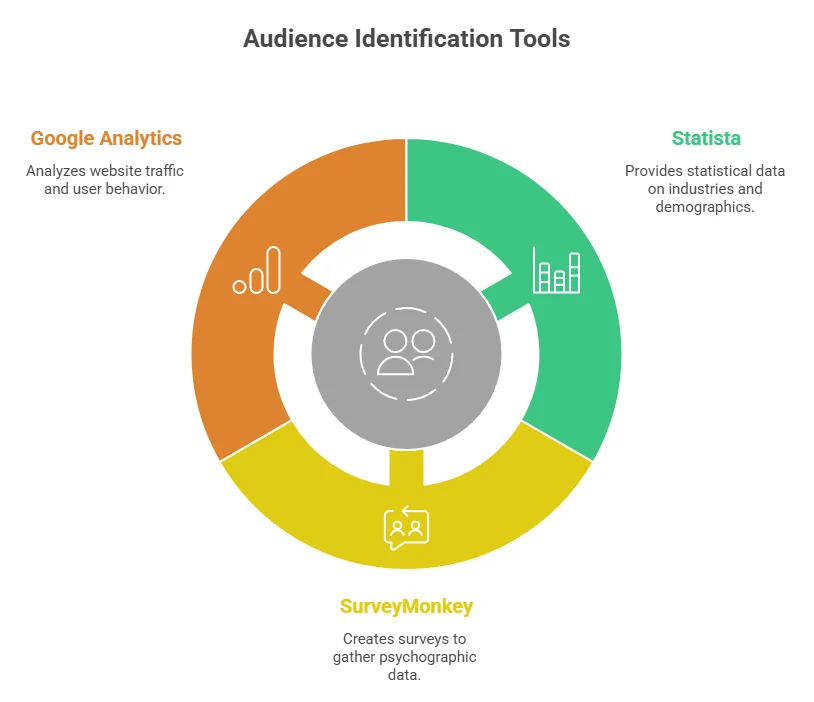
The first step in identifying your target audience is to collect demographic information. Demographics include age, gender, income level, education, and location. You can use tools like Statista to find useful statistics that give you insights into your potential audience. Demographics help paint a picture of who your audience is, enabling you to tailor your marketing efforts accordingly.
Once you have a basic understanding of demographics, look into psychographics. These include the attitudes, interests, and behaviors of your audience. To gather psychographic data, consider creating surveys or conducting interviews. This additional layer of insight can help you understand what drives your audience’s decisions.
Here are several key points to consider when identifying your target audience:
- Identify User Needs: Ask yourself what problems your product or service solves for your audience.
- Analyze Competitors: Study your competitors to see who they are targeting successfully.
- Create User Personas: Develop detailed profiles of your typical customers, including their needs and preferences.
Creating user personas is a vital step in the process. A user persona is a semi-fictional character representing your ideal customer. This persona can drive your marketing strategies, enabling you to craft messages that speak directly to that individual. For instance, if your audience is primarily young professionals looking for time-saving solutions, your marketing should focus on convenience and practicality.
Another important aspect is understanding where your audience spends their time online. Popular platforms like Facebook, Instagram, and LinkedIn have different demographics. By identifying which platforms your audience prefers, you can allocate your marketing resources most effectively. This ensures that your messages reach them where they are most active.
Utilizing analytics can also help in audience identification. Tools like Google Analytics provide helpful data about who visits your site. You can learn about their demographics, interests, and behaviors. This data is invaluable, allowing you to adjust your marketing strategies to better suit your audience’s preferences.
| Tool | Purpose |
|---|---|
| Statista | Statistical data on various industries and demographics. |
| SurveyMonkey | Create surveys to gather psychographic data. |
| Google Analytics | Analyze website traffic and user behavior. |
Remember to continually review and refine your audience profile. Consumer preferences change over time, and staying current ensures you are targeting the right people. Regular assessments and adaptations will keep your marketing strategies effective and relevant.
By focusing on your target audience, you can create more effective marketing strategies. This results in higher engagement, improved sales, and a stronger brand presence in the market. Always seek to understand who your audience is and what they want, and you’ll pave the way for success.
Competitive Analysis: Identifying Gaps in Affiliate Markets
In the world of affiliate marketing, understanding your competition is crucial for success. By conducting a thorough competitive analysis, you can identify gaps in the affiliate markets that present lucrative opportunities. Here’s how you can get started on this journey.
Understanding the Importance of Competitive Analysis
Competitive analysis helps you gather insights about your competitors and their strategies. This understanding not only guides your own affiliate marketing tactics but also allows you to pinpoint areas where you can stand out. The competition brings valuable lessons, so keeping a close eye on their performance and offerings is essential.
Steps to Conduct a Competitive Analysis
To effectively analyze your competition, follow these key steps:
- Identify Your Competitors: Start by listing your direct and indirect competitors. Use tools like SEMrush to find competitors in your niche.
- Analyze Their Affiliate Programs: Check out the affiliate programs offered by competitors. Understand their commission structures, payment terms, and promotional materials.
- Evaluate Their Content: Take a look at the type of content your competitors produce. Is it informative, engaging, and optimized for SEO? Tools like Ahrefs can help you analyze their content performance.
- Examine Their Audience Engagement: Pay attention to how they interact with their audience. Look at their social media channels and website comments to see what resonates with their audience.
- Assess Their Branding: A strong brand can make a big difference. Analyze how your competitors position themselves in the market, including their messaging and visuals.
Identifying Gaps in the Market
Once you have conducted a solid analysis, it’s time to spot the gaps. Here are some techniques:
- Look for Under-served Audiences: Identify niches or demographics that your competitors may not be addressing. Bridging these gaps can lead to new opportunities.
- Content Gaps: Use tools like Screaming Frog to find topics covered by competitors that you can improve upon or expand.
- Keyword Opportunities: Using keyword analysis tools, identify high-volume, low-competition keywords that your competitors are not targeting.
Analyzing Performance Metrics
| Metric | Importance |
|---|---|
| Traffic Sources | Indicates where their traffic comes from and which channels bring results. |
| Conversion Rates | Helps you understand the effectiveness of their sales funnel. |
| Social Media Engagement | Shows how well their audience connects with their content. |

Leveraging Findings for Your Strategy
With a comprehensive overview of your competitors, you can create strategies that focus on the identified gaps. Here are some practical steps:
- Create Unique Content: Develop high-quality content that goes in-depth on topics where competitors fall short.
- Target Specific Niches: Cater to particular segments of your audience that competitors may overlook.
- Improve User Experience: Make your website easier to navigate with better design and clearer calls to action.
Utilizing the Right Tools
Employ tools that aid in efficient competitive analysis. Some recommended resources include:
- SimilarWeb – For traffic and competitor insights.
- Moz – For SEO and domain authority analysis.
- BuzzSumo – For content performance tracking.
By systematically analyzing competitors and uncovering market gaps, you will be well-equipped to make strategic decisions. You’ll not only gain an edge in your affiliate marketing efforts but also create valuable, engaging content that resonates with your audience. Establishing a presence in under-served niches can dramatically elevate your affiliate income over time.
Monetization Strategies: Maximizing Earnings in Your Chosen Niche

When you step into the world of affiliate marketing, understanding how to effectively monetize your niche is crucial for success. You want your efforts to translate into profits, and there are several strategies you can employ to maximize your earnings.
Identifying Your Audience
The first step to maximize earnings is to know who your audience is. Understanding your target demographic allows you to tailor your products and content to meet their needs. Here are some questions to consider:
- What are their interests?
- What problems do they face?
- How can your products solve these problems?
Choosing the Right Products
After identifying your audience, the next step is selecting the right products that will resonate with them. Consider the following:
- Relevance: Ensure that the products align with your niche.
- Quality: Promote high-quality products to build trust.
- Commission Rates: Check the payout percentages to maximize your earnings.
For instance, platforms like Amazon Associates offer extensive options, but consider high-ticket items or subscription-based products from niche-specific companies for better profits.
Building Engaging Content
Creating high-quality, engaging content is essential for driving traffic and conversions. Focus on:
- Informative blog posts that provide value to your audience.
- Videos product reviews that showcase the benefits.
- Social media posts that create buzz about the products.
Use storytelling to make your content relatable and engaging. This increases the chance of user engagement and sharing.
Utilizing Multiple Monetization Channels
Diversifying your revenue streams can safeguard your earnings. Consider these options:
- ClickBank for digital products with high commissions.
- Promote services along with physical products for this extra layer of income.
- Leverage email marketing to send targeted offers to your audience.
SEO Optimization
Search engine optimization (SEO) can significantly enhance your visibility and, in turn, your earnings. Here are a few tips:
- Use keyword research tools to find high-ranking keywords related to your niche.
- Optimize your content around these keywords without keyword stuffing.
- Build backlinks to your site to increase authority.
Tools like SEMrush or Ahrefs can help track your site’s performance and identify keywords to focus on.
Tracking and Analyzing Performance
To ensure that these strategies are effective, you need to track your performance. Use analytics tools to:
- Monitor which content drives the most traffic.
- Analyze your conversion rates to see what works best.
- Adjust your strategies based on performance data.
Tools like Google Analytics provide valuable insights into user behavior, allowing you to refine your approach accordingly.
Networking with Others in Your Niche
Building relationships with fellow marketers and influencers in your niche can lead to new opportunities. Consider:
- Collaborating on projects or content.
- Participating in forums or groups relevant to your niche.
- Sharing insights and strategies with one another.
Networking can open doors to partnerships that boost your earnings through shared promotions and audiences.
Staying Updated on Trends
The online marketing world is always evolving. To stay profitable, keep yourself updated on trends in your niche. Follow relevant blogs and join webinars or workshops that can inspire new ideas.
By utilizing these strategies, you not only enhance your affiliate marketing efforts but also create a sustainable income. Adapting to changes and being willing to learn will ensure your long-term success in any niche.
Conclusion
Choosing the right affiliate niche can significantly impact your success in affiliate marketing. By considering key factors like market trends, you can identify where there is demand and ensure that your efforts are profitable. Understanding your target audience is crucial; knowing who they are allows you to tailor your content and marketing strategies to meet their needs effectively.
A thorough competitive analysis helps you pinpoint gaps in the market. This can reveal opportunities that others may have overlooked, giving you an edge in your chosen niche. Once you’ve established your niche and audience, you can implement various monetization strategies to maximize your earnings. This involves not only selecting suitable affiliate programs but also creating valuable content that resonates with your audience.
Ultimately, the combination of these strategies sets the foundation for a successful affiliate marketing venture. By focusing on profitable niches and understanding market dynamics, you build a sustainable income stream. Remember, the more informed decisions you make based on research and analysis, the better positioned you’ll be to thrive in the competitive world of affiliate marketing. Embrace the journey of finding your niche and persistently refine your approach, as success comes with time and commitment.