
Affiliate Marketing Blog Authority Strategy


ATTENTION: Want to Learn Affiliate Marketing from Successful Affiliates?
Join this FREE community where successful marketers share their secrets!
Learn directly from highly successful affiliate marketers
Access free, actionable training content regularly
Connect with an active community of over 5,000 members
Network with multiple six-figure earning affiliates
Get your questions answered by real experts
JOIN FREE NOW!
ATTENTION: Want to Learn Affiliate Marketing from Successful Affiliates?
Building authority in the affiliate marketing space is crucial for success. As an affiliate marketer, you want your blog to be a trusted source of information and recommendations. Here are the key steps that will help you strengthen your blog’s authority.
Identify Your Niche
Choosing a specific niche is the first step to developing your blog’s authority. This helps you target a specific audience and creates clear expectations about the content you will provide. Follow these steps:
- Research Trends: Use tools like Google Trends to identify popular topics in your niche.
- Analyze Competition: Look at successful affiliate blogs in your niche and note what they are doing well.
- Define Your Unique Angle: Think about what makes your perspective unique and how you can add value.
Create Quality Content
One of the best ways to build authority is through high-quality content. Aim for informative, engaging, and original posts that solve your readers’ problems. Here are a few tips:
- Use Data and Research: Incorporate statistics and facts from reputable sources to back up your claims.
- Be Consistent: Set a regular posting schedule and stick to it. Consistency builds trust with your audience.
- Utilize Different Formats: Mix up your content with videos, podcasts, and infographics to keep your audience engaged.
Optimize for SEO
Search engine optimization (SEO) is vital for increasing your blog’s visibility. Follow these strategies to enhance your blog’s rankings:
- Keyword Research: Identify and target relevant keywords related to affiliate marketing. Use tools like Ahrefs for finding keywords.
- On-page SEO: Optimize your blog posts with meta descriptions, headers, and internal links.
- Build Backlinks: Reach out to other bloggers for guest posting opportunities or collaborations to increase your site’s authority.
Engage with Your Audience
Engagement is essential for building authority. When readers see you as a real person who genuinely cares about their needs, they are more likely to trust you. Here are ways to enhance engagement:
- Respond to Comments: Take time to interact with followers in the comments section of your blog.
- Use Social Media: Share your posts on social platforms and engage with your audience on those channels.
- Create a Newsletter: Build an email list and share valuable insights, tips, and updates with your subscribers.
Establish Expert Relationships
Partnering with influencers and experts in your niche can enhance your blog’s authority. Consider these tactics:
- Networking: Attend affiliate marketing conferences or local meetups to connect with industry experts.
- Interviews and Collaborations: Invite experts for interviews or collaborate on content creation to leverage their audience.
- Join Affiliate Networks: Consider joining reputable affiliate marketing networks like ShareASale or ClickBank to gain insights from industry leaders.
Track Your Performance
Keep an eye on your blog’s performance using tools like Google Analytics. Track metrics such as:
- Traffic Sources
- Bounce Rate
- Conversion Rates
Regularly review these metrics to identify areas for improvement. This helps ensure that you’re consistently working towards enhancing your blog’s authority. By following these strategies, you can effectively build an Affiliate Marketing Blog Authority Strategy for your affiliate marketing blog. Focus on providing genuine value, nurturing your audience, and maintaining high-quality content. Over time, your blog will become a trusted resource within the affiliate marketing community.
Building Trust: How to Establish Credibility with Your Audience
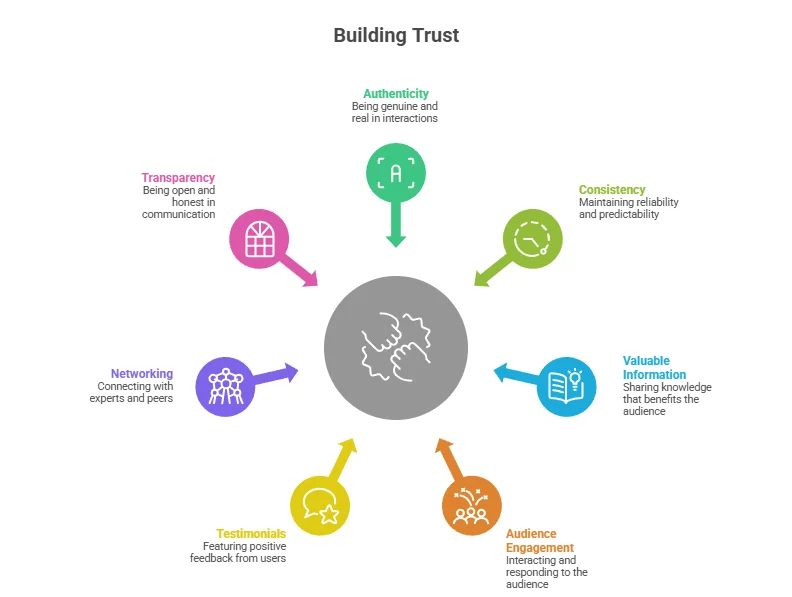
In today’s digital landscape, building trust is a key element for any blogger or content creator. To establish credibility with your audience, it’s essential to utilize strategies that foster a strong connection and instill confidence in your expertise. Understanding that trust takes time to develop, here are several impactful ways to ensure your audience sees you as a reliable source.
Authenticity Matters
Being genuine can significantly heighten your credibility. Share personal experiences, challenges, and triumphs with your readers. When you reveal your true self, it resonates with your audience on a deeper level, encouraging them to see you as a relatable figure rather than just a content creator. Here are some ideas to enhance your authenticity:
- Use a conversational tone in your writing.
- Share behind-the-scenes insights of your journey.
- Respond to comments and engage with your audience directly.
Consistency is Key
Consistency in your content is crucial for establishing trust. Whether it’s the frequency of your posts, the quality of information, or the visual style of your blog, maintaining a consistent presence shows that you’re dedicated to delivering value. Regularly posting high-quality content demonstrates reliability, reinforcing your credibility. Aim for:
- A set posting schedule (e.g., weekly or bi-weekly).
- Consistent branding and visual identity.
- Uniform tone and style across all posts.
Provide Valuable Information
Your audience comes to you for expertise and insights. Providing well-researched, valuable information not only establishes you as an authority but also builds trust. Focus on delivering content that genuinely helps your readers solve their problems or answers their questions. Here is how to ensure your content remains valuable:
- Conduct thorough research before writing.
- Cite credible sources and include links to your citations.
- Use real-life examples to illustrate points.
Engage with Your Audience
Engagement goes a long way in building trust. When your audience feels heard and valued, their loyalty increases. various interactive strategies can be effective:
- Encourage comments and respond to them thoughtfully.
- Create polls or surveys to gather feedback.
- Host Q&A sessions relevant to your niche.
Showcase Testimonials and Reviews
Providing social proof can significantly enhance your credibility. Testimonial sections on your blog or dedicated posts highlighting user experiences will showcase proof of your effectiveness in your niche. Here’s how to utilize testimonials:
- Feature success stories from readers or clients.
- Include reviews from reputable sources.
- Use user-generated content to validate claims.
Network and Collaborate with Experts
Aligning yourself with other credible figures in your field can boost your authority. By collaborating, interviewing, or guest posting with industry experts, you not only gain exposure to their audience but also add an extra layer of trustworthiness to your content. Consider these options:
- Partner with fellow bloggers on joint projects.
- Feature expert interviews or guest posts on your blog.
- Participate in relevant webinars or podcasts.
Transparency is Crucial
Transparency helps in establishing a strong rapport with your audience. Be open about sponsorships, affiliations, and your content creation process. This honesty reassures your readers that you prioritize their interests. For example:
- Disclose any paid partnerships.
- Explain your affiliate marketing practices.
- Be forthright about your content sources.
By implementing these strategies, you can effectively build trust and establish credibility with your audience. Trusted sources are remembered and revisited, promoting not only loyalty but also a thriving online community around your blog. Always remember, engaging authentically with your audience will make you their go-to resource for valuable information. To explore more about building credibility online, check out Social Media Examiner and Blogging Wizard for additional insights.
Content Creation Techniques to Enhance Affiliate Marketing Engagement
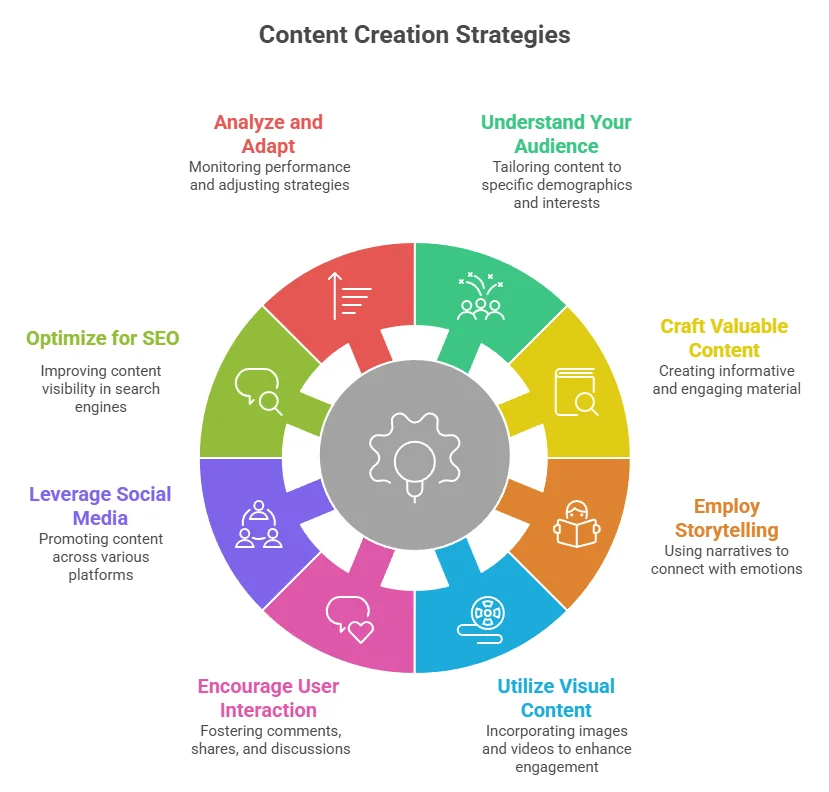
When it comes to enhancing affiliate marketing engagement, employing effective content creation techniques is crucial. The right strategy can help you connect with your audience, boost conversions, and improve overall engagement. Here are some valuable approaches to elevate your affiliate marketing efforts.
Understand Your Audience
The first step in creating engaging content is understanding your audience. You want to know their interests, pain points, and preferences. Conduct surveys, use social media insights, and analyze website traffic to gather valuable data about your target demographic. Personalizing your content to speak directly to your audience increases the likelihood of engagement.
Craft Valuable Content
Your content needs to offer real value to your readers. Avoid merely promoting products; instead, focus on educational and informative pieces that help your audience solve a problem. Here’s how you can create value-driven content:
- How-to Guides: Create step-by-step guides that provide insight on how to use the products you’re promoting.
- Tips and Tricks: Share helpful tips that enhance the usability of the products.
- Product Comparisons: Compare various affiliate products and provide an unbiased analysis to help readers make informed decisions.
Employ Storytelling
Storytelling is a powerful technique in content creation. By telling a compelling story, you can capture your audience’s attention and evoke emotions. When you relate personal experiences or success stories involving the products you promote, it makes the information more relatable. This connection can lead to better engagement and drive conversions.
Utilize Visual Content
Visual content is an excellent way to engage your audience. Images, infographics, and videos can break up the text and make your content more appealing. Here’s how you can integrate visuals effectively:
- Infographics: Create infographics to display complex information in an easy-to-understand format.
- Videos: Use videos to provide product demonstrations or reviews, paving the way for a more immersive experience.
- High-Quality Images: Use images that resonate with the content and draw attention.
Encourage User Interaction
Engagement is a two-way street. Encourage your audience to interact with your content by asking questions, inviting comments, and creating polls. Include call-to-action (CTA) buttons like “Comment Below” or “Share Your Thoughts.” Building a community around your content can enhance engagement and foster loyalty among your audience.
Leverage Social Media
Social media platforms serve as excellent channels for driving traffic to your affiliate content. Share snippets of your blog posts on platforms like Facebook, Twitter, and Instagram, and link back to your full article. Consider using tools like Buffer to schedule posts for consistent engagement. Engage with your audience on these platforms by responding to comments and participating in discussions.
Optimize for SEO
Search engine optimization is vital for visibility in affiliate marketing. Use relevant keywords naturally throughout your content to improve its searchability. Here are some SEO best practices to consider:
- Use LSI Keywords: Find Latent Semantic Indexing (LSI) keywords related to your main keyword to enhance your content’s relevance.
- Meta Descriptions: Write compelling meta descriptions that summarize your content while including your target keywords.
- Alt Text for Images: Use descriptive alt text for images, enhancing SEO and accessibility.
Analyze and Adapt
Regularly analyze your content performance using analytics tools like Google Analytics or SEMrush. Look for patterns in user engagement, and be willing to adapt your content based on what your audience responds to best. This approach not only increases engagement but also builds trust with your readers. Implementing these content creation techniques can significantly enhance your affiliate marketing engagement. Remember, the goal is to connect with your audience meaningfully, providing them with valuable insights and fostering an interactive community.
SEO Best Practices for Driving Traffic to Your Affiliate Blog
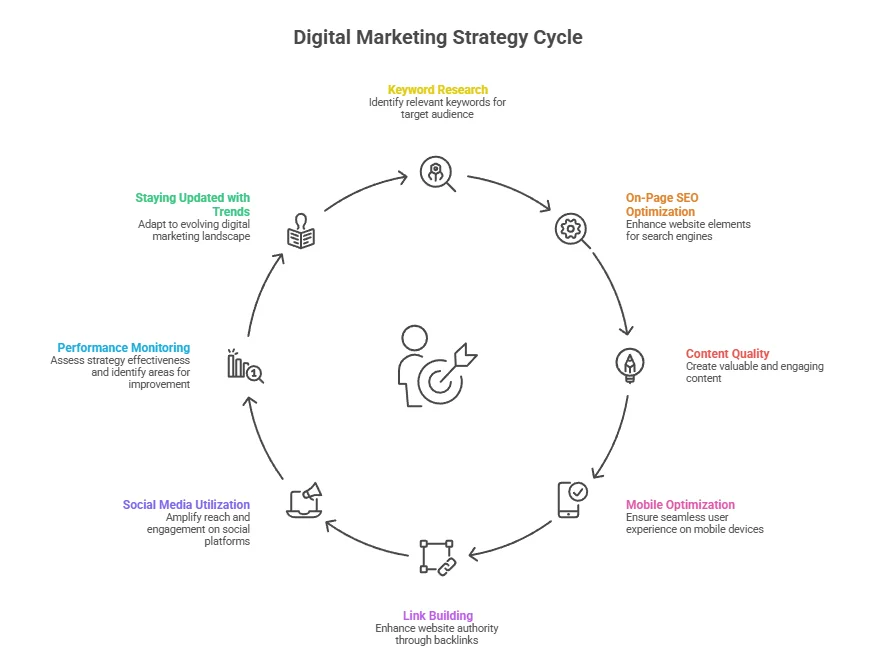
In the competitive world of affiliate marketing, driving traffic to your blog is essential for success. Implementing SEO best practices can help you attract more visitors, increase engagement, and ultimately boost your revenue. Here are some effective strategies to enhance your affiliate blog’s visibility.
Keyword Research
Keyword research is the backbone of effective SEO. Understanding what your audience is searching for allows you to tailor your content to their needs. Use tools like Moz Keyword Explorer or Ahrefs to find relevant keywords with good search volume and low competition. Focus on long-tail keywords that reflect user intent. For example:
- “Best affiliate marketing tips for beginners”
- “How to choose affiliate programs”
On-Page SEO Optimization
Optimizing your blog posts enhances both reader experience and search engine understanding. Follow these essential on-page SEO practices:
- Title Tags: Use your primary keyword at the beginning of your title.
- Meta Descriptions: Write compelling meta descriptions containing your target keywords to encourage clicks.
- Internal Linking: Link to other relevant blog posts on your site to keep readers engaged and distribute link equity.
- Image Alt Tags: Always add descriptive alt tags to your images for accessibility and SEO benefit.
Content Quality
The quality of your content is crucial for driving traffic. Aim to provide unique insights, actionable advice, and comprehensive information. Users appreciate in-depth articles that answer their questions. A mix of text, visuals, and infographics can enhance the reading experience. Create a content calendar to ensure regular updates and consistency.
Mobile Optimization
With increasing mobile traffic, it’s vital your blog is mobile-friendly. Google prioritizes mobile-first indexing, which means your site should perform well on smartphones and tablets. Check your site’s mobile-friendliness using Google’s Mobile-Friendly Test. Ensure fast loading times, responsive design, and easy navigation on smaller screens.
Link Building
Building backlinks from reputable sources is essential for boosting your blog’s authority. Here are effective link-building strategies:
- Guest Blogging: Write articles for other relevant blogs in your niche, including links back to your site.
- Influencer Collaboration: Partner with influencers to share your content, expanding your reach.
- Social Media Promotion: Share your blog posts on platforms like Facebook and Twitter to increase visibility.
Utilizing Social Media
Social media platforms are incredible tools for driving traffic. Share snippet posts that pique curiosity and link back to your full articles. Engage with your followers by asking questions, running polls, and responding to comments. Consider creating groups or forums where your audience can discuss topics related to your niche.
Performance Monitoring
Regularly monitor your blog’s performance using analytical tools. Platforms like Google Analytics provide insights on user behavior, traffic sources, and more. Use this data to adjust your strategies and focus on what works best for your audience.
Staying Updated with Trends
The world of SEO is always changing. Subscribe to industry blogs like Search Engine Journal or Moz Blog to stay informed about the latest trends and updates. Implementing new strategies can give your affiliate blog a competitive edge. Building traffic to your affiliate blog requires a strategic approach towards SEO. Focus on keyword research, content quality, and the user experience while monitoring your progress and adjusting your methods as necessary. By consistently applying these best practices, you will set a solid foundation for continued growth and success in your affiliate marketing journey.
Analyzing Competitor Strategies: Learning from the Best in Affiliate Marketing
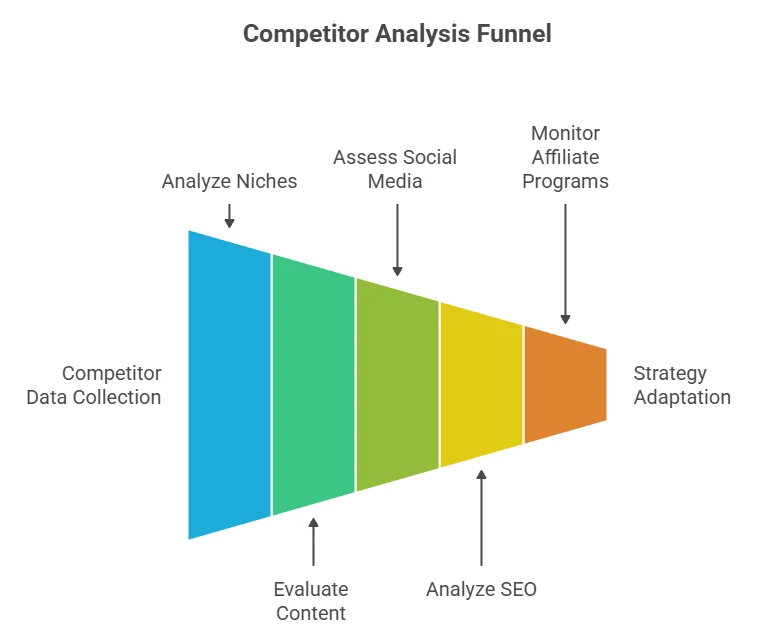
To thrive in the competitive world of affiliate marketing, analyzing your competitors’ strategies can provide invaluable insights. By examining what the most successful affiliates are doing, you can develop your own strategies to gain an edge in your niche. Below are key areas to focus on when analyzing competitor strategies.
Understanding Competitor Niches
Firstly, identify the niches your competitors are operating in. This will help you understand the market landscape and where your opportunities lie. Pay attention to the following:
- Unique Selling Proposition (USP): What makes your competitor’s offers stand out?
- Keyword Focus: Which keywords are they targeting in their content?
- Market Demand: Are there gaps in the market that you can exploit?
Evaluating Content Strategies
Content is king in affiliate marketing. Learn how your competitors create engaging content that converts visitors into customers. Look for:
- Content Type: Are they posting blogs, videos, or social media updates?
- Quality of Content: Is the content informative and well-researched?
- Frequency of Posting: How often do they update their content?
For instance, websites like Backlinko consistently publish high-quality, detailed guides that attract organic traffic. You can learn from their strategy to enhance your own content creation process.
Assessing Social Media Engagement
Social media is a powerful tool for affiliate marketing. Assess your competitors’ presence on platforms like Facebook, Instagram, Twitter, and LinkedIn. Look for:
- Engagement Rates: How many likes, comments, and shares are their posts getting?
- Content Style: What tone do they use? Is it casual, professional, or humorous?
- Audience Interaction: How do they interact with their followers?
By engaging with your audience, you can create a loyal following and drive more conversions. Observing how your competitors achieve this can guide your social media strategy.
Analyzing SEO Techniques
Search engine optimization is crucial for driving organic traffic to your affiliate marketing blog. Investigate your competitors’ SEO tactics, including:
- On-page SEO: How do they use keywords in their titles, headers, and content?
- Backlink Profile: Where are they getting their backlinks from, and how can you acquire similar ones?
- Technical SEO: Is their site fast, mobile-friendly, and easy to navigate?
Tools like Moz and Ahrefs can help you analyze these aspects effectively.
Monitoring Affiliate Programs
Knowing which affiliate programs your competitors are part of can help you select similar programs. Look into:
- Commission Rates: How do their rates compare to yours?
- Cookie Duration: What is the timeframe for earning commissions?
- Creatives and Tools: What marketing tools and resources do they use?
Sites like Affiliatly provide resources for comparing affiliate programs.
Learning from Their Successes and Failures
While analyzing strategies, take note of both successful and failed campaigns. Successful tactics can be adapted, while failures can provide crucial lessons on what not to do. Consider:
- Case Studies: Read or watch case studies to understand how certain strategies performed.
- User Reviews: Look for user feedback on your competitors’ products to gauge market perception.
The knowledge you gain from these analyses can greatly enhance your affiliate marketing efforts.
Continuously Adapting Your Strategy
The affiliate marketing landscape is always evolving. Regularly revisiting your competitors’ strategies will help you stay ahead. Creating a schedule for this analysis can keep your tactics fresh and relevant. Remember to focus on:
- Consistency: Regularly update your analysis for the best insights.
- Experimentation: Don’t hesitate to test new strategies and adapt based on results.
Analyzing competitor strategies not only sharpens your understanding of the market but also supports you in crafting a unique Affiliate Marketing Blog Authority Strategy. By integrating what you learn, you position yourself for growth and success.
Conclusion
Crafting an effective Affiliate Marketing Blog Authority Strategy is a comprehensive endeavor that plays a pivotal role in your success. Each key step you take, from building trust with your audience to employing strategic content creation techniques, builds a solid foundation for your blog. Remember, credibility is everything in this space. Establishing yourself as a reliable source not only keeps your audience engaged but also encourages them to trust your recommendations. Furthermore, leveraging SEO best practices is crucial for boosting visibility and attracting organic traffic to your blog.
By focusing on optimizing your content for search engines, you can ensure your articles reach a wider audience, ultimately resulting in higher conversion rates. Analyzing competitor strategies allows you to gain valuable insights into what works and what doesn’t. Learn from their successes, but also identify gaps where you can stand out. This competitive analysis can inspire innovative ideas that set your blog apart and make your affiliate marketing efforts more effective. As you develop your Affiliate Marketing Blog Authority Strategy, remember that persistence and adaptability are key.
Continually assess your approach, refine your content, and stay current with trends in the industry. By doing so, you not only grow your audience but also foster lasting relationships that can lead to ongoing success in the affiliate marketing landscape. Your journey toward becoming an authority in your niche is a marathon, not a sprint—so embrace the challenges and celebrate each milestone along the way.