
How to Internally Link Affiliate Content


ATTENTION: Want to Learn Affiliate Marketing from Successful Affiliates?
Join this FREE community where successful marketers share their secrets!
Learn directly from highly successful affiliate marketers
Access free, actionable training content regularly
Connect with an active community of over 5,000 members
Network with multiple six-figure earning affiliates
Get your questions answered by real experts
JOIN FREE NOW!
ATTENTION: Want to Learn Affiliate Marketing from Successful Affiliates?
Internal linking is a crucial strategy for boosting the visibility and effectiveness of your affiliate content. When done right, it not only improves your site’s SEO but also enhances the user experience. Here are some effective strategies on How to Internally Link Affiliate Content.
Understand Your Content Hierarchy
Before creating internal links, it’s important to grasp the structure of your website and content. This involves knowing which pages are most valuable and should receive a greater focus through linking. Here’s how to do that:
- Identify your cornerstone content that drives the most traffic.
- Map out related posts and articles that can support your affiliate offerings.
- Ensure each piece of content serves a purpose and connects with others in a meaningful way.
Use Relevant Anchor Text
When linking internally, the anchor text you use is vital for communicating the link’s value. Well-chosen anchor text not only helps users understand what they’ll find but also benefits search engines. Keep these tips in mind:
- Be descriptive and concise.
- Avoid generic phrases like “click here.”
- Incorporate keywords naturally, but don’t overdo it.
Link to High-Value Affiliate Content
Identify which affiliate content has the potential for conversion and is likely to attract clicks. Link to these pages more frequently, guiding users towards them. A few strategies include:
- Cross-link related products within your blog posts. For instance, if you’re discussing hiking gear, link to your affiliate page featuring boots, backpacks, and other accessories relevant to hiking.
- Create comparison posts that directly link to various affiliate products, offering readers a choice.
Optimize for User Experience
Internal linking should enhance the reader’s journey on your site, not confuse them. Here are ways to optimize that experience:
- Ensure links are relevant to the content of the page. Every link should add value and context.
- Avoid overloading a single piece of content with links. A clean, uncluttered approach is best.
- Utilize a logical flow where related content is highlighted at the end of a post.
Monitor and Update Links Regularly
As you create more content, it’s vital to revisit old posts and update your internal links. This practice keeps your site fresh and ensures users are directed to the most relevant content. Consider these steps:
- Use tools like SEMrush to find broken links.
- Check the engagement metrics of your links. If certain pages are consistently underperforming, re-evaluate your linking strategy.
Utilize a Clear Call to Action (CTA)
Every internal link should encourage user engagement, driving them towards affiliate content. An effective call to action (CTA) can significantly enhance click-through rates. Here are a few tips to crafting compelling CTAs:
- Make them prominent and visually distinct.
- Use action-oriented language that prompts clicks.
- Experiment with placement and wording to see what resonates best with your audience.
Leverage Content Clustering
Content clustering organizes your articles into related groups, making internal linking more intuitive. This technique helps search engines understand the relationships between your content. Implementing content clusters can include:
- Creating pillar content that serves as a comprehensive guide and links to several subtopics.
- Encouraging navigation within a cluster by linking to multiple related posts, thereby increasing user time on site.
By applying these strategies, you can effectively utilize internal linking to boost your affiliate content’s performance. Not only will you enhance your site’s SEO, but you’ll also create a more engaging experience for your visitors. For more insights on affiliate marketing techniques, visit Affiliate Guard Dog or explore guides at Ahrefs.
Understanding the Benefits of Internal Linking for Affiliate Marketing
In the world of affiliate marketing, understanding How to Internally Link Affiliate Content can significantly boost your content’s performance. Internal linking refers to the practice of creating links within your own website, directing readers from one piece of content to another. This strategy not only enhances user experience but also contributes to better SEO, leading to increased traffic and potential commissions on affiliate sales.
The Role of Internal Linking in SEO
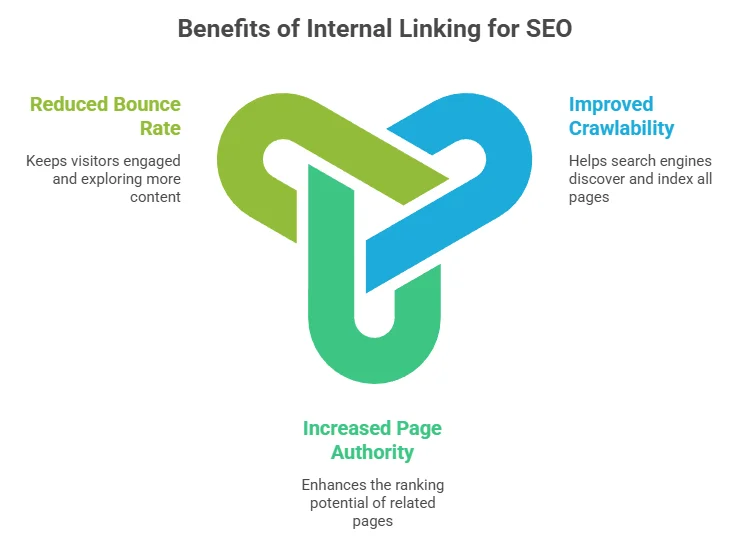
One of the primary benefits of internal linking is its positive impact on search engine optimization (SEO). Search engines like Google use links to crawl websites. When you create internal links, you help search engines discover your content more easily. Here’s what you can achieve:
- Improved Crawlability: With effective internal links, search engines can navigate your site better, allowing all your important pages to be indexed.
- Increased Page Authority: Linking to high-quality content can enhance the authority of your related pages, improving their chances of ranking higher in search results.
- Reduced Bounce Rate: Internal links can keep visitors on your site longer by encouraging them to explore additional content.
Enhancing User Experience
Internal linking enhances the user experience by directing readers to valuable resources that they may not have found otherwise. When creating an internal link, consider the following:
- Relevance: Ensure that the linked content is relevant to the topic at hand. This creates a seamless reading experience.
- Anchor Text: Use descriptive anchor text that provides context about the linked content. This helps both users and search engines understand the link’s purpose.
- Natural Integration: Links should fit naturally into the flow of the content. Overstuffing your writing with links can be off-putting.
Boosting Affiliate Conversions
Internal links can effectively increase your affiliate conversions. Here’s how:
- Direct Traffic to High-Converting Pages: By linking to pages with high affiliate payouts or products you want your audience to see, you increase the chances of conversion.
- Encouraging Related Purchases: By linking to pages that highlight complementary products, you can encourage readers to make multiple purchases.
- Better Content Discoverability: When visitors find valuable content, they are more likely to trust your recommendations and click on affiliate links.
Internal Linking Strategies for Affiliate Marketing
When implementing internal links for your affiliate content, consider these effective strategies:
- Link to Relevant Blog Posts: Always link to your own relevant articles. For instance, if you write a review on a product, link to a related post about how to use that product.
- Create a Resource Hub: Develop a central page that aggregates all of your best affiliate content, linking to it from various other articles.
- Use Categories and Tags: Leverage WordPress categories and tags to naturally create internal links between related topics.
- Utilize a Consistent Structure: Keep your linking structure straightforward to avoid confusing users. For example, if you frequently mention a particular product, link to it consistently across relevant posts.
Monitoring Your Internal Links
To ensure your internal linking strategy is effective, regularly monitor the links within your content. Tools like Ahrefs or SEMrush can help you track internal link performance. You want to ensure links are not broken and are still leading your visitors to relevant content.
Internal linking into your affiliate marketing strategy can enhance SEO, improve user experience, and increase conversion rates. By using effective linking strategies, you can guide your readers toward valuable content. Remember to monitor your links and optimize them for the best results, ensuring that your audience finds the resources they need easily.
Common Mistakes to Avoid When Internally Linking Affiliate Content
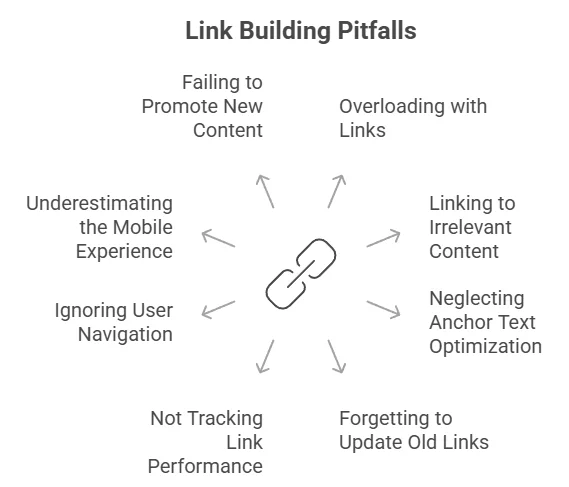
When you’re crafting affiliate content, internal linking can significantly enhance its effectiveness. However, there are common mistakes you should be aware of to ensure your linking strategy is strong and leads to increased engagement and conversions. Here’s what to avoid in your How to Internally Link Affiliate Content journey.
Avoid Overloading with Links
Although internal links can boost your SEO and enhance user experience, placing too many in one piece of content can overwhelm readers. Instead of helping, excessive links can distract them from your message. Aim for quality over quantity. A best practice is to link to 2-5 relevant pieces per article. This way, you provide valuable connections without confusing your readers.
Linking to Irrelevant Content
Whenever you include internal links, they should naturally relate to the content. Linking to irrelevant posts can frustrate your readers and damage your credibility. Each link should add context or value to the reader’s journey. Always ask yourself if the link enhances understanding or supports the topic. If it does not, it is best left out.
Neglecting Anchor Text Optimization
Anchor text is crucial for both readers and search engines. Poorly chosen anchor text might lead to confusion about where the link leads. Use descriptive, relevant phrases to make it clear what readers can expect. For example, instead of using a simple phrase like “click here,” use “discover more about effective affiliate marketing strategies.” This approach helps in improving click-through rates.
Forgetting to Update Old Links
Your content grows over time, and so does your website. Keeping your internal links updated is essential. If some of the content linked becomes outdated or the pages change, those links can lead to 404 errors. Regularly audit your posts to ensure all links work correctly. This not only helps SEO but also enhances user experience.
Not Tracking Link Performance
If you want to refine your linking strategy, monitoring the performance of your internal links is crucial. Utilize analytics tools to track how users are interacting with your links. Are they leading to longer dwell times? Are users clicking on them? Understanding this data can help you optimize future articles. You can use tools like Google Analytics to gain insights.
Ignoring User Navigation
An effective internal linking structure should improve user navigation. If your links are not guiding users naturally through related content, you are missing a vital aspect. Make sure each link fits into a logical flow for readers. This way, they can easily explore further and engage more with your website.
Underestimating the Mobile Experience
With mobile usage on the rise, overlooking how links appear on mobile devices is a significant mistake. Ensure your internal linking strategy is mobile-friendly. Test how your links display on various devices and adjust accordingly. If links are hard to click or navigate on small screens, readers may bounce away, leading to lost opportunities.
Failing to Promote New Content
When creating new affiliate content, it’s easy to forget to link back to it from older posts. Promoting your newest articles through internal links can drive traffic and generate interest. Whenever you publish something fresh, revisit your older content and add links to the new piece where relevant. This practice not only boosts the newer content’s visibility but also keeps your older content updated and active.
By avoiding these common pitfalls, you can improve your internal linking strategy for affiliate content. Remember, the goal is to enhance user experience, provide additional value, and create a seamless connection between your pages. In turn, this will not only help your audience but also improve your chances of driving higher conversions.
For more insights and best practices on internal linking strategies, visit Moz and Ahrefs. They offer excellent resources and tools that can further enhance your understanding of effective linking.
Tools and Plugins to Enhance Internal Linking for Affiliates
Enhancing your internal linking strategy is essential for maximizing the performance of your affiliate content. Fortunately, there are various tools and plugins that can simplify the process. Below are some powerful options to consider:
1. Yoast SEO
Yoast SEO is a popular WordPress plugin that not only boosts your site’s SEO but also helps with internal linking. This tool provides suggestions for related posts while you write, allowing you to add links seamlessly.
2. Link Whisper
Link Whisper is specifically designed to optimize internal linking. When creating or editing your posts, it recommends relevant articles for you to link to, making it easier than ever to enhance affiliate content visibility.
3. Simple Link Directory
This plugin allows you to create a central directory of your affiliate links. By organizing your links and using them within your content, you create connections between your articles, ensuring that your audience can navigate your site smoothly. This not only improves user experience but also boosts the chances of clicks on your affiliate links.
4. ThirstyAffiliates
ThirstyAffiliates is a dedicated plugin for managing affiliate links. It lets you cloak links and track performance, but also helps you insert internal links easily into your posts, ensuring that your best content is just a click away from readers.
5. Internal Link Juicer
This plugin automatically creates internal links based on keywords that you set, saving time and improving SEO. You can define the keywords you want to link to specific pages, helping your audience discover related content effectively.
6. SEO Smart Links
SEO Smart Links automatically links related posts and keywords. By setting specific keywords, you ensure that your content stays connected, increasing the likelihood that users will explore more of your site.
7. Link Manager
A simple yet effective tool, Link Manager helps organize and manage all your outbound and internal links. It’s beneficial for maintaining a neat structure, especially if you have a lot of affiliate content to manage.
Here’s a comparison table of the mentioned plugins to help you choose the best fit for your needs:
| Plugin | Features | Best For |
|---|---|---|
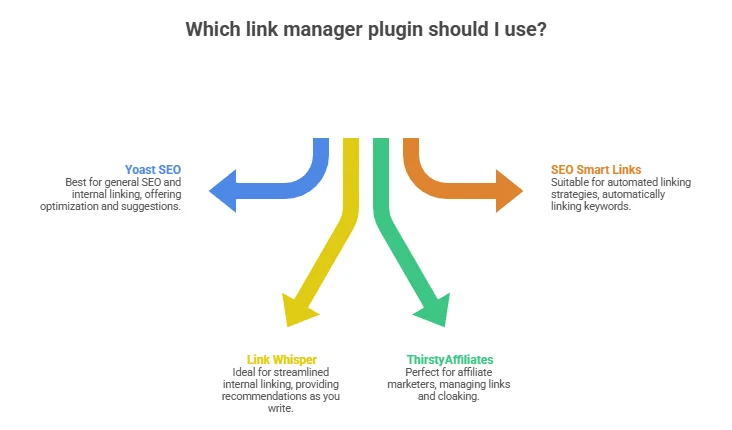
| Yoast SEO | SEO optimization, linking suggestions | General SEO and internal linking |
| Link Whisper | Recommended links as you write | Streamlined internal linking |
| ThirstyAffiliates | Affiliate link management, cloaking | Affiliate marketers |
| SEO Smart Links | Automatic keyword linking | Automated linking strategies |
Using tools effectively is key to improving your internal linking strategy. Here are some tips to get the most out of these plugins:
- Optimize Anchor Text: Always use descriptive anchor text for your internal links. It should give readers a clear idea of what they will find.
- Link Deep: Don’t just link to the homepage; link to specific pages that are relevant. This strategy boosts SEO and improves user experience.
- Regular Updates: Keep your links updated. Broken links can hurt your SEO rankings, so make it a habit to review your internal links periodically.
- Monitor Performance: Use analytics to track how well your internal links are performing. This will help you understand what works and what doesn’t.
These tools into your workflow can substantially enhance your internal linking strategy, benefiting both SEO and user engagement. Whether you are a seasoned affiliate marketer or just starting out, using the right plugins will make your content more accessible and attractive to readers. For more insights on affiliate marketing strategies, visit Affilorama or check out WordStream.
Measuring the Impact of Internal Links on Affiliate Performance
Understanding the relationship between internal links and affiliate performance can greatly enhance your website’s effectiveness. Internal links help guide readers through your content, encouraging them to explore related topics and products you promote. This enhances user experience and can also boost your affiliate earnings. Here’s how you can measure the impact of internal links on your affiliate content.
Why Internal Linking Matters
Internal linking is not just about SEO; it’s also about engaging your audience and improving their journey through your website. When you link to your affiliate products within your content, you can:
- Boost Click-Through Rates: Internal links can encourage visitors to click on affiliate links.
- Improve User Navigation: Clear navigation helps users find relevant products quickly.
- Reduce Bounce Rate: When users stay longer on your site, it signals quality to search engines.
Tracking Affiliate Link Performance
Measuring the effectiveness of your internal links is crucial. You can monitor several metrics to understand how these links contribute to your affiliate performance:
- Click-Through Rate (CTR): Track how many visitors click your internal links compared to how many viewed the page.
- Conversion Rate: Analyze how many clicks lead to actual sales or leads from the internal links.
- Time on Page: Monitor if your internal links encourage visitors to stay longer on your content.
Tools for Analysis
Utilizing the right tools can simplify the measurement of internal links’ impact. Here are some useful options:
| Tool | Description |
|---|---|
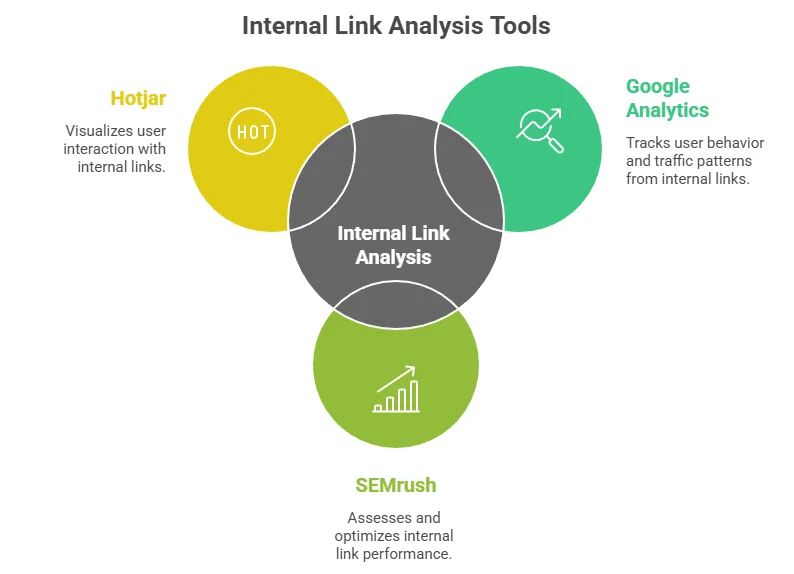
| Google Analytics | Track user behavior and analyze traffic patterns resulting from internal links. |
| SEMrush | Assess the performance of your internal links and optimize them for better results. |
| Hotjar | Visualize visitor behavior and gain insights into how users interact with your links. |
Best Practices for Internal Linking
Implementing effective internal linking strategies can enhance both user experience and affiliate performance. Here are some best practices:
- Use Descriptive Anchor Text: Your internal links should have anchor text that clearly describes the content of the linked page.
- Link to Relevant Content: Ensure your internal links are relevant to the topic at hand, making it more likely visitors will click through.
- Avoid Overlinking: Too many links can overwhelm readers. Aim for a natural flow of content.
- Monitor Link Performance: Regularly check which links are performing well and which need improvement.
Optimizing Internal Links for SEO and Affiliates
In addition to enhancing user experience, internal links can also positively impact your SEO. Here’s how:
- Distribute Page Authority: Help important affiliate pages rank better by linking from high-authority content.
- Improve Crawl Efficiency: Make it easier for search engines to navigate and index your pages effectively.
A thoughtful internal linking structure into your affiliate content is essential for maximizing performance. By measuring and analyzing the impact of these links, you can adapt your strategies to improve both engagement and sales.
For deeper insights into affiliate marketing and effective linking strategies, consider visiting resources such as Niche Pursuits and Affiliate Blogger. Ultimately, successful internal linking harmonizes the interests of your readers with your affiliate goals, ensuring a win-win scenario for all involved.
Conclusion
Successfully implementing internal linking for affiliate content can significantly enhance your marketing efforts. By utilizing effective strategies, you not only create a more organized website but also improve user experience. Understanding the benefits of internal linking means recognizing how it can drive traffic, boost SEO, and ultimately increase your affiliate conversions.
Avoiding common pitfalls, such as overloading your content with links or neglecting to optimize anchor text, is crucial. These mistakes can deter readers and dilute the effectiveness of your links. Instead, focus on creating meaningful connections between your content that guide readers naturally from one relevant piece to another.
Leveraging tools and plugins designed to enhance internal linking can save you time and effort. Many of these tools can automate link generation and suggest optimal linking opportunities based on your content—allowing you to concentrate on crafting quality, engaging material.
Measuring the impact of your internal links on affiliate performance is essential. Analyze metrics like click-through rates and conversion rates to determine if your linking strategy is fruitful. Utilize this data to tweak and refine your approach continuously. By doing so, you ensure your affiliate marketing efforts are not only effective but also evolving with your audience’s needs. Engaging readers through strategic internal linking not only elevates your content but also cultivates trust and authority, paving the way for long-term success in affiliate marketing.