
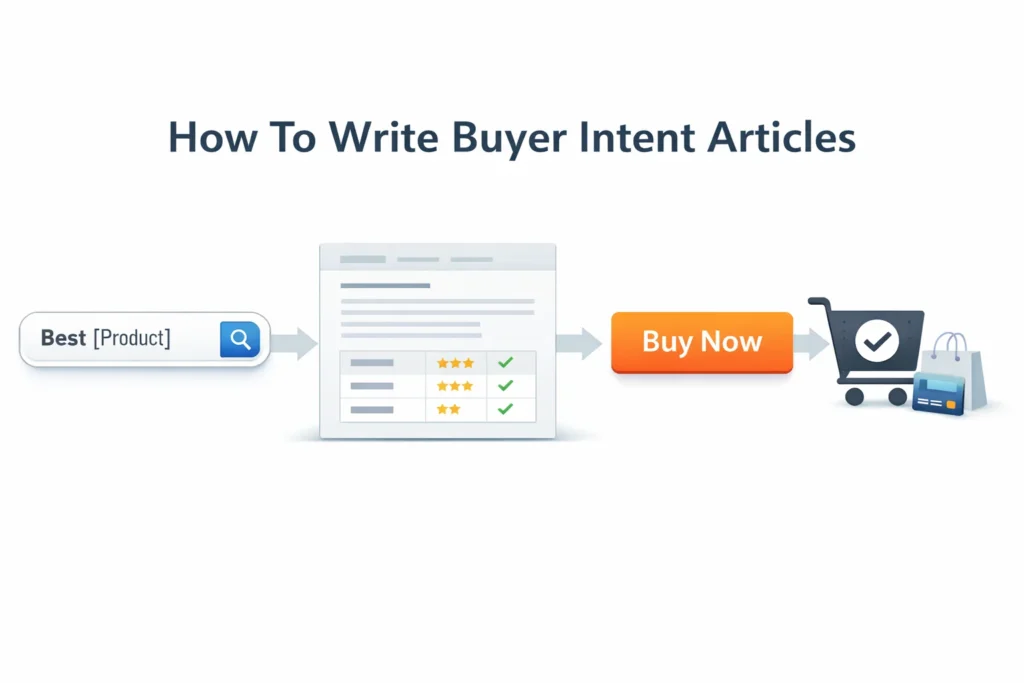
How To Write Buyer Intent Articles

ATTENTION: Want to Learn Affiliate Marketing from Successful Affiliates?
Writing buyer intent articles that convert requires a focused approach. You want to attract readers who are on their way to making a purchase. To do this effectively, consider the following strategies:
Understand Your Target Audience
The first step in creating buyer intent articles is to understand who you are writing for. Research your target audience’s pain points, interests, and preferences. Tools like SEMrush can provide valuable insight into the keywords your audience is searching for. By tailoring your content to address specific needs, you can engage readers more effectively.
Utilize Keywords Wisely
Keywords play a crucial role in driving traffic to your articles. Focus on buyer intent keywords that indicate the reader is ready to purchase. Examples include:
- “Buy [product name]”
- “Best [product name] reviews”
- “Where to purchase [product name]”
- “[Product name] discount”
Tools like Ahrefs can help you discover high-traffic keywords relevant to your content. Incorporate these keywords naturally into your title, headers, and throughout the article.
Provide Genuine Value
Always aim to offer genuine value in your articles. When readers find useful, actionable information, they are more likely to trust you and linger on your page. Instead of simply listing product features, explain how they solve problems or improve situations. For example:
| Feature | Benefit |
|---|---|
| Durable Material | Lasts longer, saving money in the long term |
| Energy Efficiency | Reduces electricity bills, beneficial for the environment |
Craft Engaging Headlines
Your headline is the first thing a reader will see, so make it count. Use action words, numbers, and emotional triggers to create interest. For instance, instead of “Best Blenders,” try “10 Best Blenders That Will Transform Your Smoothie Game!” This not only informs but also engages potential buyers.
Include Clear Calls-to-Action
Guide your readers to the next step with clear calls-to-action (CTAs). Encourage them to click on links to product pages, sign up for newsletters, or download guides. Phrases like “Get Yours Today!” or “Join Our Community for Exclusive Discounts!” lead readers closer to making a purchase.
Optimize for Mobile Users
With many users accessing content via smartphones, ensure your articles are mobile-friendly. Use short paragraphs, bullet points, and images that fit well on smaller screens. A clean layout enhances readability and helps keep potential buyers engaged.
Use Social Proof
Incorporate testimonials, reviews, and case studies to build credibility. When readers see others benefiting from a product, they are more inclined to follow suit. Embed real customer testimonials or user-generated content where possible. This technique builds trust and can mitigate any remaining hesitations a buyer might have.
Analyze and Adjust Your Strategy
After publishing, monitor your articles’ performance. Use analytics tools like Google Analytics to track traffic, engagement rates, and conversion rates. With this data, refine your approach. A/B testing different headlines or CTAs can help you determine what resonates best with your audience.
These strategies into your writing can significantly enhance the effectiveness of your buyer intent articles. Focus on crafting valuable, engaging content that addresses your audience’s needs, and you’ll likely see higher conversion rates. Remember, the goal is not just to attract readers but to turn them into paying customers.
For more insights on optimizing content for buyers, you can visit Content Marketing Institute or explore Copyblogger for advanced writing techniques.
Understanding Buyer Personas to Tailor Your Content
Creating content that resonates with your audience is crucial for driving engagement and conversions. To achieve this, you must understand the unique characteristics of your target audience—what they need, desire, and even fear. Buyer personas are fictional, generalized representations of your ideal customers, and they play a vital role in tailoring your content effectively. By developing detailed buyer personas, you can create relevant articles that speak directly to your audience’s motivations. Here’s a simple framework to help you understand and utilize buyer personas:
Identify Key Demographics
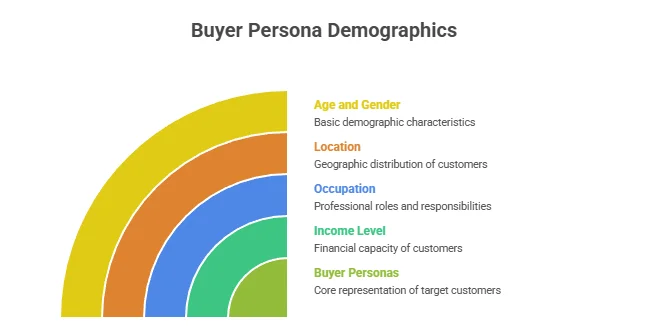
The first step in creating buyer personas is to gather demographic information. Consider elements such as:
- Age
- Gender
- Location
- Occupation
- Income Level
This information provides a foundation upon which to build your content. For example, understanding whether your audience is primarily young professionals or retirees influences the tone and subject matter you’ll choose.
Understand Pain Points
Next, dive deeper into the personas by identifying their pain points and challenges. Ask yourself:
- What struggles do they face?
- What solutions are they seeking?
- How can your products or services help them overcome these challenges?
For instance, if your audience consists of busy parents, they may struggle with time management. Content that offers tips for efficiency or products that save time will appeal directly to them, thereby increasing engagement.
Determine Goals and Motivations
Understanding what drives your audience is essential when creating content. What are their goals? Are they looking to gain knowledge, solve a problem, or improve their lifestyle? Your articles should align with these objectives. For example:
- If your target buyer persona consists of health-conscious individuals, creating articles about nutritious recipes or fitness tips would be beneficial.
- For tech-savvy users, writing about the latest gadgets and how they simplify everyday tasks may capture their interest.
Identify Content Preferences
Knowing how your audience prefers to consume content can help you craft more appealing articles. Some prefer long-form articles, while others enjoy quick reads or visual content like infographics. Consider these factors:
- Do they engage more with videos or blog posts?
- What type of visuals do they respond to best?
- Are they more active on social media platforms or forums?
Adapting your content format to meet these preferences improves the chances of capturing and retaining your audience’s attention.
Utilizing Buyer Personas in Writing
With a clear understanding of your buyer personas, you can now tailor your articles effectively. Here are a few strategies:
- Use a Friendly Tone: Speak directly to your audience using words like “you” to create a conversational atmosphere. For example, instead of saying, “One can find solutions,” say, “You can find solutions.”
- Incorporate Relevant Examples: Use case studies or scenarios that directly relate to your personas’ experiences. This makes the content relatable and engaging.
- Address Pain Points: Write content that directly addresses their challenges, offering solutions and insights that can help improve their situation. This positions your brand as a helpful resource.
Measure the effectiveness of your content by analyzing engagement metrics. Look at bounce rates, time spent on articles, and conversion rates. This will provide insight into whether or not you’re hitting the mark with your personas. Building effective buyer personas is not a one-time effort. As your audience evolves, so should your understanding of them. Revisit and refine your personas regularly to ensure your content stays relevant and engaging. For more information on developing effective buyer personas, consider checking resources like HubSpot’s Make My Persona Tool or Digital Marketer’s Comprehensive Guide.
By focusing on your buyer personas, you’ll create articles that not only attract readers but also convert them into loyal customers. Engage with your audience’s needs, and watch your content strategy thrive!
The Role of SEO in Attracting Buyer Intent Traffic
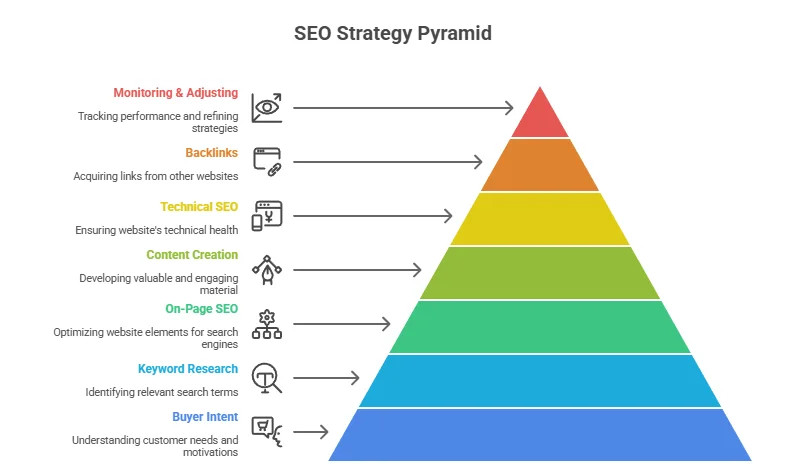
Attracting buyer intent traffic is a crucial aspect of online marketing. When you understand the role of SEO in this process, you empower your business to connect effectively with potential customers. By optimizing your content for search engines, you increase the visibility of your buyer intent articles, reaching the right audience at the right time.
Understanding Buyer Intent
Buyer intent is all about the motivation behind a user’s search behavior. There are three main types:
- Informational Intent: Users are seeking knowledge but are not ready to buy.
- Navigational Intent: Users are looking for a specific website or brand.
- Transactional Intent: Users are ready to make a purchase or are looking to engage with a service.
When writing buyer intent articles, you should focus primarily on those with transactional intent. This user group is more likely to convert into customers, making it a priority to attract them with well-optimized content.
Keyword Research and Selection
Effective SEO starts with keyword research. To attract buyer intent traffic, identify keywords and phrases that indicate a strong purchase intention. Use tools like Moz, Ahrefs, or SEMrush to find relevant keywords. Target long-tail keywords that are specific and indicate a strong purchasing signal, such as “buy running shoes online” instead of just “running shoes.”
On-Page SEO Techniques
Once you have your keywords, implement them strategically in your articles. Here are some key on-page SEO techniques:
- Title Tags: Include your primary keyword in the title of the article.
- Meta Descriptions: Write compelling meta descriptions that include your keyword and summarize the content concisely.
- Headers: Use headers (H3, H4) to structure your content, incorporating relevant keywords.
- Content: Naturally integrate keywords throughout the article while maintaining readability.
These techniques ensure that search engines understand your content and match it to user queries effectively.
Quality Content Creation
Your articles should directly address the needs and questions of potential buyers. High-quality content is key to engaging readers and converting them into customers. Focus on:
- Providing valuable information: Address common pain points and offer solutions.
- Building trust: Use statistics, case studies, or customer testimonials to support your claims.
- Encouraging action: Use clear calls-to-action (CTAs) that guide readers towards making a purchase.
Quality content is not only beneficial for engaging users but also vital for improving your ranking on search engines.
Technical SEO Considerations
In addition to on-page SEO, technical SEO also plays a significant role in driving buyer intent traffic. Consider the following:
- Website Speed: Ensure your website loads quickly to reduce bounce rates.
- Mobile Optimization: Make sure your site is mobile-friendly, as many buyers browse using mobile devices.
- Sitemap and Robots.txt: Use these tools to help search engines crawl and index your site effectively.
Technical SEO establishes a solid foundation for your site, enabling it to function properly while meeting user expectations.
Building Backlinks
Backlinks are essential for improving your site’s authority and search engine rankings. Focus on acquiring links from reputable sites within your niche. Consider:
- Guest posting on related sites.
- Engaging in meaningful collaborations.
- Using social media to promote your content and increase visibility.
High-quality backlinks signal to search engines that your content is trustworthy and valuable, helping you attract more buyer intent traffic.
Monitoring and Adjusting Strategies
Monitor your SEO performance using tools like Google Analytics and Google Search Console. Analyze your traffic, conversion rates, and keyword performance. Use these insights to refine your approach. Regularly updating your content and optimizing your strategies is crucial in maintaining relevance and effectiveness.
By understanding and implementing these SEO strategies, you can significantly enhance your ability to attract buyer intent traffic, resulting in higher conversion rates and business growth.
Crafting Compelling CTAs for Buyer Intent Content
When it comes to writing buyer intent articles, the call-to-action (CTA) is one of the most crucial components to get right. A compelling CTA can guide your readers to take the next step, whether that be making a purchase, signing up for a newsletter, or exploring more content. In this article, we will explore how to craft CTAs that resonate with your audience and drive them towards conversion.
Crafting Compelling CTAs
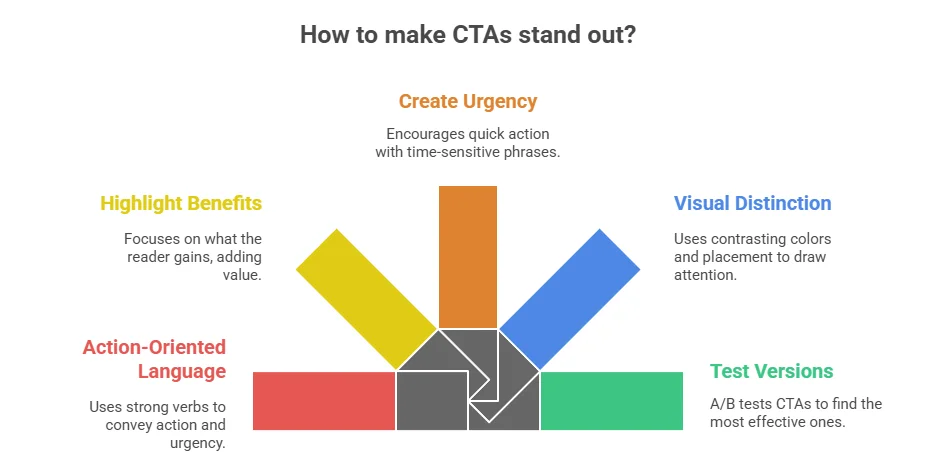
To make your CTAs stand out, consider the following strategies:
- Action-Oriented Language: Ensure your CTA uses strong verbs that convey the action you want the reader to take. Phrases like “Download Now,” “Get Started,” or “Join Today” are straightforward and help to create a sense of urgency.
- Highlight Benefits: Let your readers know what they will gain by following your CTA. By focusing on benefits, you make it easier for them to see the value in taking action. For instance, instead of saying “Subscribe,” you could say “Subscribe to Get Exclusive Tips Tailored for You.” This approach adds a personal touch.
- Create a Sense of Urgency: Implementing elements of urgency can persuade readers to act quickly. Words like “Limited Time Offer” or “Only a Few Left” create an immediate need. They encourage consumers to act before missing out on something valuable.
- Make CTAs Visually Distinct: The design of your CTA is just as crucial as the text. Use contrasting colors and strategic placement within your article to ensure your CTA stands out. A noticeable button will draw attention and increase the chances of user interaction.
- Test Different Versions: Don’t hesitate to A/B test different variations of your CTAs. This allows you to see which ones resonate more with your audience. Use analytics tools to track engagement and conversion rates. Adjust your strategy based on real-time data.
Examples of Effective CTAs
Here are a few examples of compelling CTAs based on buyer intent stages:
| Stage | Example CTA |
|---|---|
| Awareness | “Discover How to Solve [Your Problem] Today!” |
| Consideration | “Download Our Free Guide to Compare Your Options!” |
| Decision | “Get Your Discount Now – Buy Today!” |
Integrating CTAs into Your Content
In a buyer intent article, placing your CTAs strategically is vital. Include them at:
- The beginning, to grab attention.
- In the middle, to keep the momentum going.
- The end, to capture readers after they’ve absorbed your content.
Additionally, consider using pop-ups or sticky CTAs that remain visible as the user scrolls down the page to ensure maximum visibility.
Tracking Your CTA Performance
Once your CTAs are live, the next step is to track their performance. Use tools like Google Analytics to see which CTAs are converting and which may need adjustments. Monitor metrics such as click-through rates and conversion rates to refine your approach continuously.
By implementing these strategies, you can craft compelling CTAs that align perfectly with your buyer intent articles. Doing so not only improves the user experience but also significantly increases your chances of conversion. For more insights on effective marketing strategies, visit Optimizely and Neil Patel’s blog.
Analyzing Successful Buyer Intent Articles: Key Takeaways
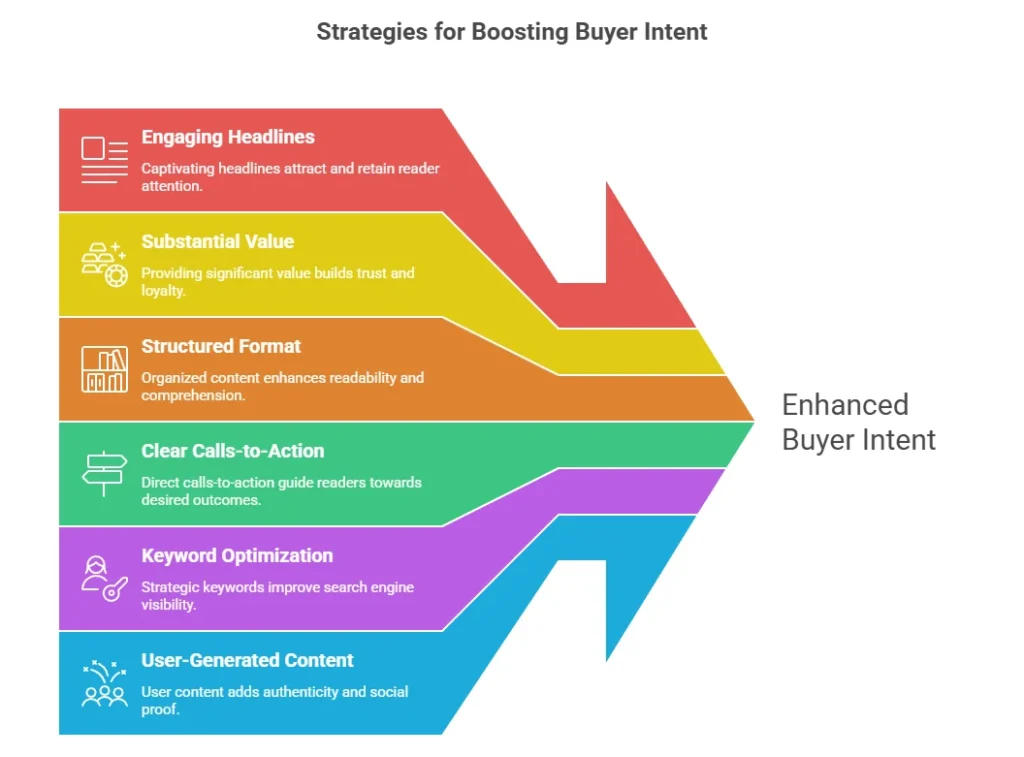
Creating buyer intent articles requires a deep understanding of what drives customers to make purchasing decisions. By analyzing successful examples, we can uncover key strategies that help attract and engage potential buyers effectively. Here are notable takeaways from successful buyer intent articles.
Engaging Headline Creation
Your headline is the first impression you make. An effective buyer intent article contains a headline that speaks directly to the needs of the reader. Aim for clarity and curiosity. Try to incorporate target keywords without making it sound forced. For example:
- Best Features of the Latest Smartphone: A Comprehensive Guide
- How to Choose the Right Insulin Pump: Your Step-by-Step Resource
Creating Substantial Value
Your content must provide genuine value. Identify your audience’s pain points and provide solutions. Use stories, testimonials, or case studies to illustrate your points. This relational approach builds trust and encourages readers to continue engaging with your content. According to Content Marketing Institute, articles that tell stories are more likely to resonate with readers.
Utilizing a Structured Format
A well-structured article improves readability and keeps your readers engaged. Consider using bullet points, numbered lists, or tables to present data clearly. Here’s an example of how to create a comparison table for buyer intent:
| Product | Features | Price | Rating |
|---|---|---|---|
| Product A | Feature 1, Feature 2 | $199 | 4.5/5 |
| Product B | Feature 1, Feature 3 | $249 | 4.7/5 |
Including Clear Calls-to-Action
Every successful buyer intent article has a strong call-to-action (CTA). Make sure your CTAs align with the buyer’s journey. For instance, if your article is focused on a careful comparison of products, a suitable CTA might be, “Check out the latest deals on these products here.” This not only guides the reader but also facilitates a smooth transition towards making a purchase.
Optimizing for Keywords
While the primary focus should be on delivering value, incorporating relevant keywords naturally into your article is crucial for SEO. Identify keywords related to buyer intent, such as “best products for [target audience]” or “how to choose the best [product type].” Tools like SEMrush can help identify optimal keywords to use.
Leveraging User-Generated Content
Including reviews, comments, or social proof in your article enhances credibility. You can quote satisfied customers or showcase high ratings from platforms like Trustpilot. This inclusion not only enriches your content but also helps convince readers who are on the fence about making a purchase.
Frequent Updates and Revisions
The digital landscape does not remain stagnant. Regularly revisit and revise your articles. Ensure your information is current and valid. Tracking analytics can also help you understand reader engagement levels, prompting necessary adjustments. Utilize tools such as Google Analytics for comprehensive insight.
Successful buyer intent articles are a product of thoughtful planning, valuable content, and user engagement. By focusing on these strategies, you can craft articles that resonate with buyers and guide them towards making informed purchasing decisions.
Conclusion
Writing buyer intent articles is a powerful way to connect with potential customers, turning casual readers into loyal buyers. By employing effective strategies, you can create content that not only engages but also converts. Understanding your buyer personas is crucial; knowing their interests, pain points, and preferences allows you to tailor your articles specifically to their needs. This personalization enhances the likelihood of interaction and purchase.
SEO best practices will further amplify your reach. Using keywords that reflect buyer intent helps attract the right audience, ensuring your articles appear in relevant searches. The more visibility you have, the more potential buyers you can attract.
Equally important is crafting compelling calls-to-action (CTAs). A well-placed, engaging CTA can guide your readers toward the next step, whether it’s making a purchase, signing up for a newsletter, or exploring additional content. Your CTAs should resonate with the tone of your article and fit seamlessly into the narrative.
Analyzing successful buyer intent articles can offer valuable insights. Look at what works, from headlines that grab attention to the structure and flow of the content. Key takeaways from these successful examples can inform your approach, making your articles not only more engaging but also more effective in driving conversions.
By implementing these strategies, you can create buyer intent articles that are not just informative, but also serve as powerful tools for driving sales and fostering relationships with your audience. Let your content truly make an impact.